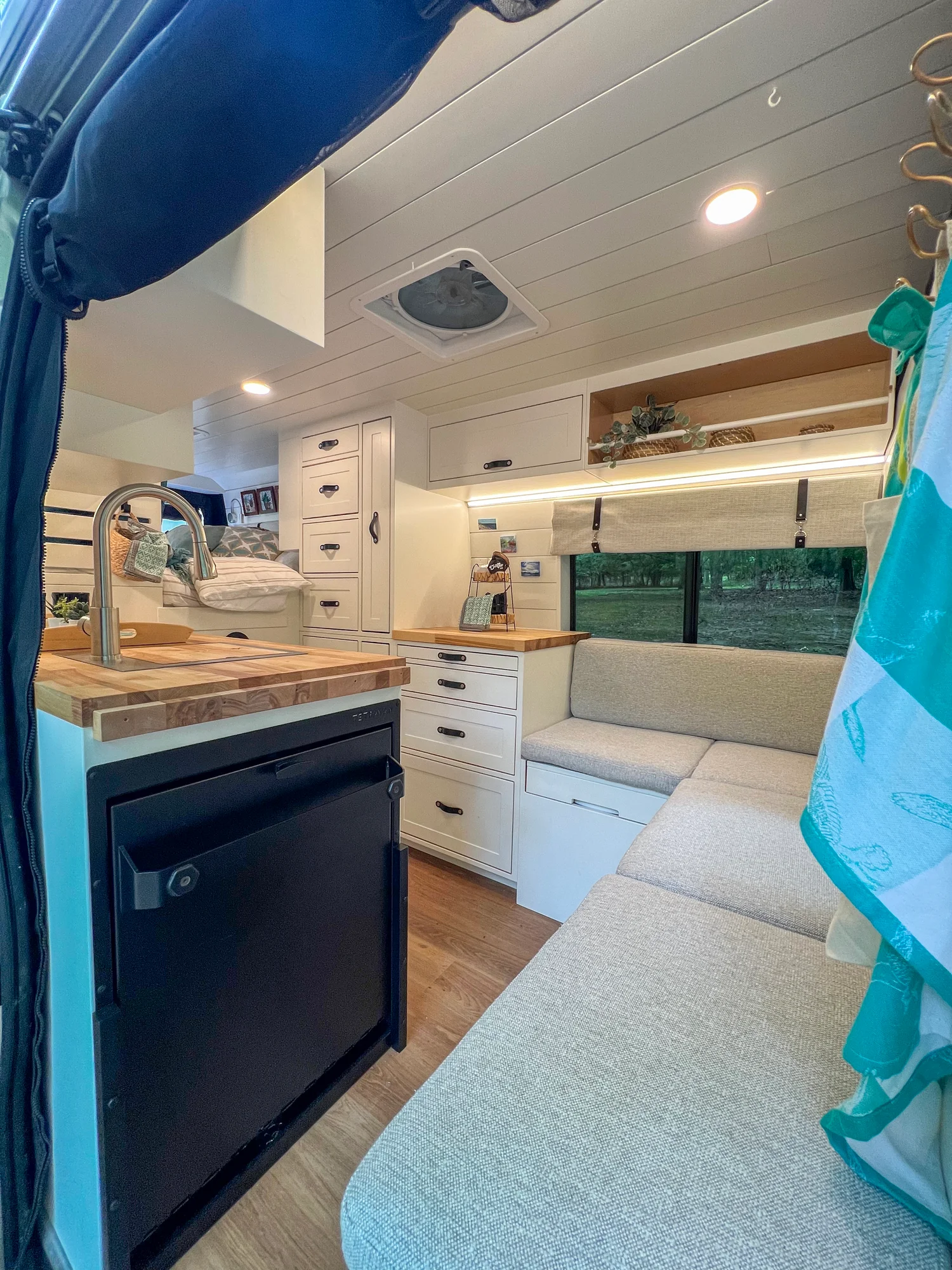
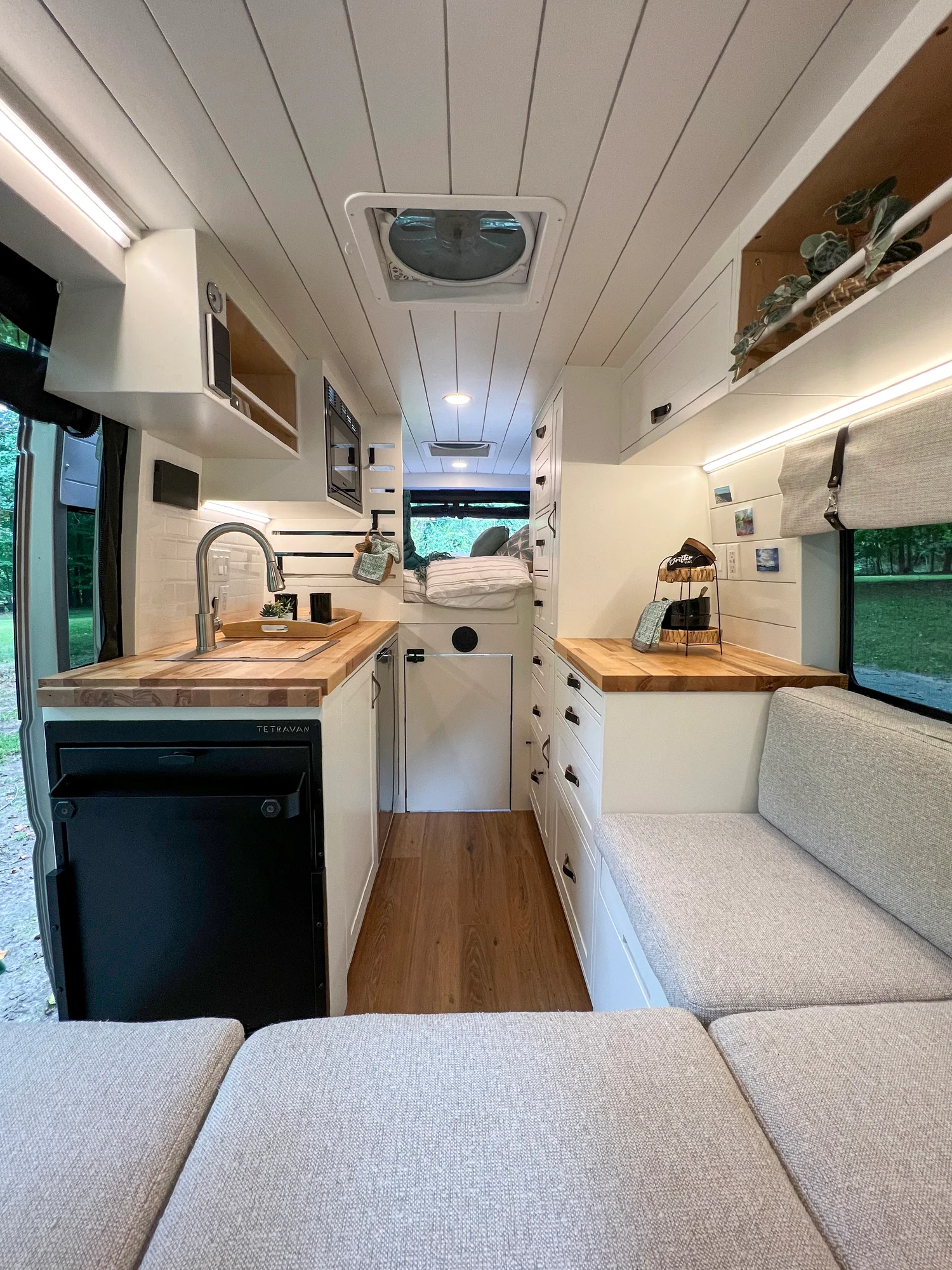
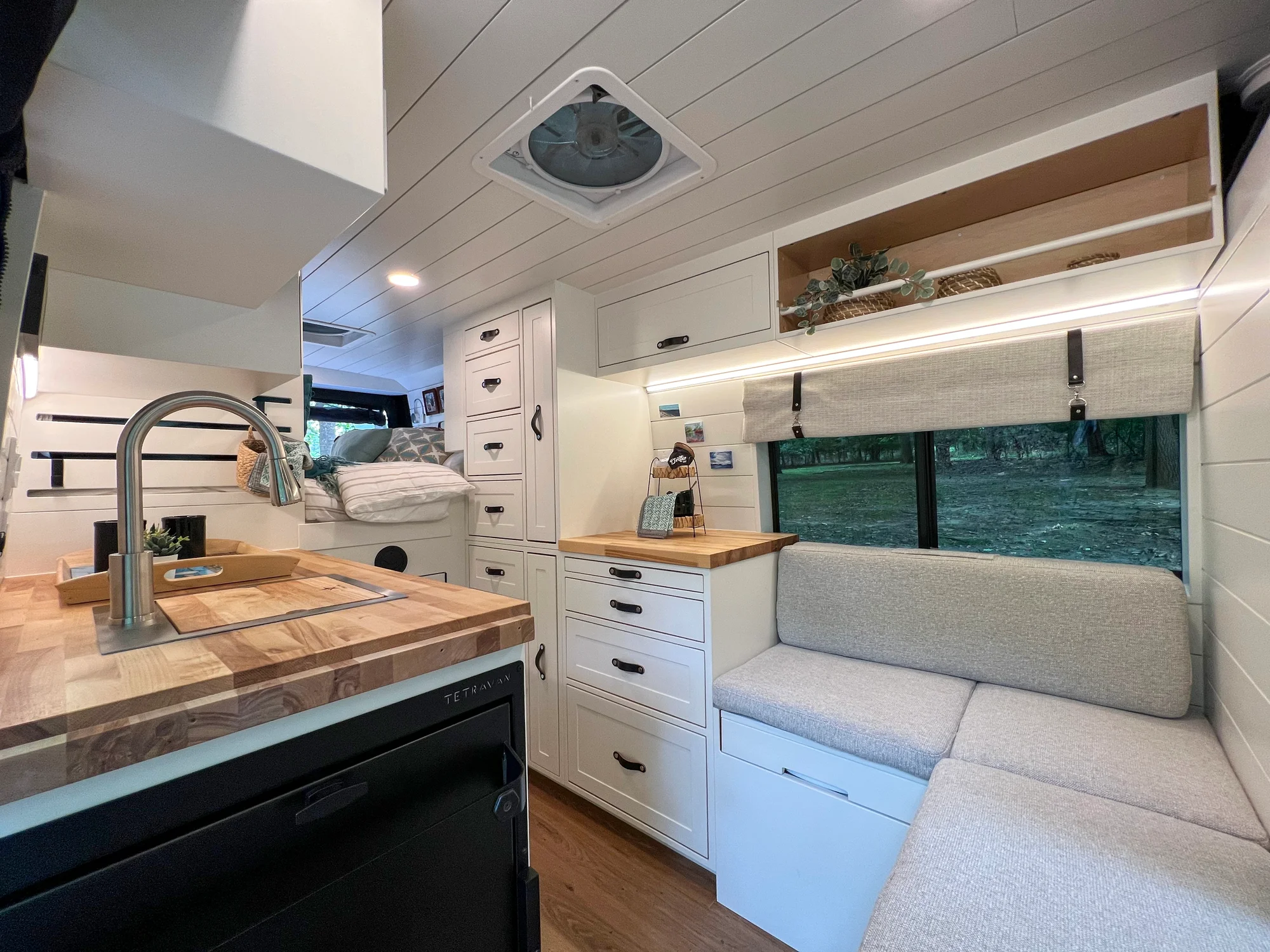
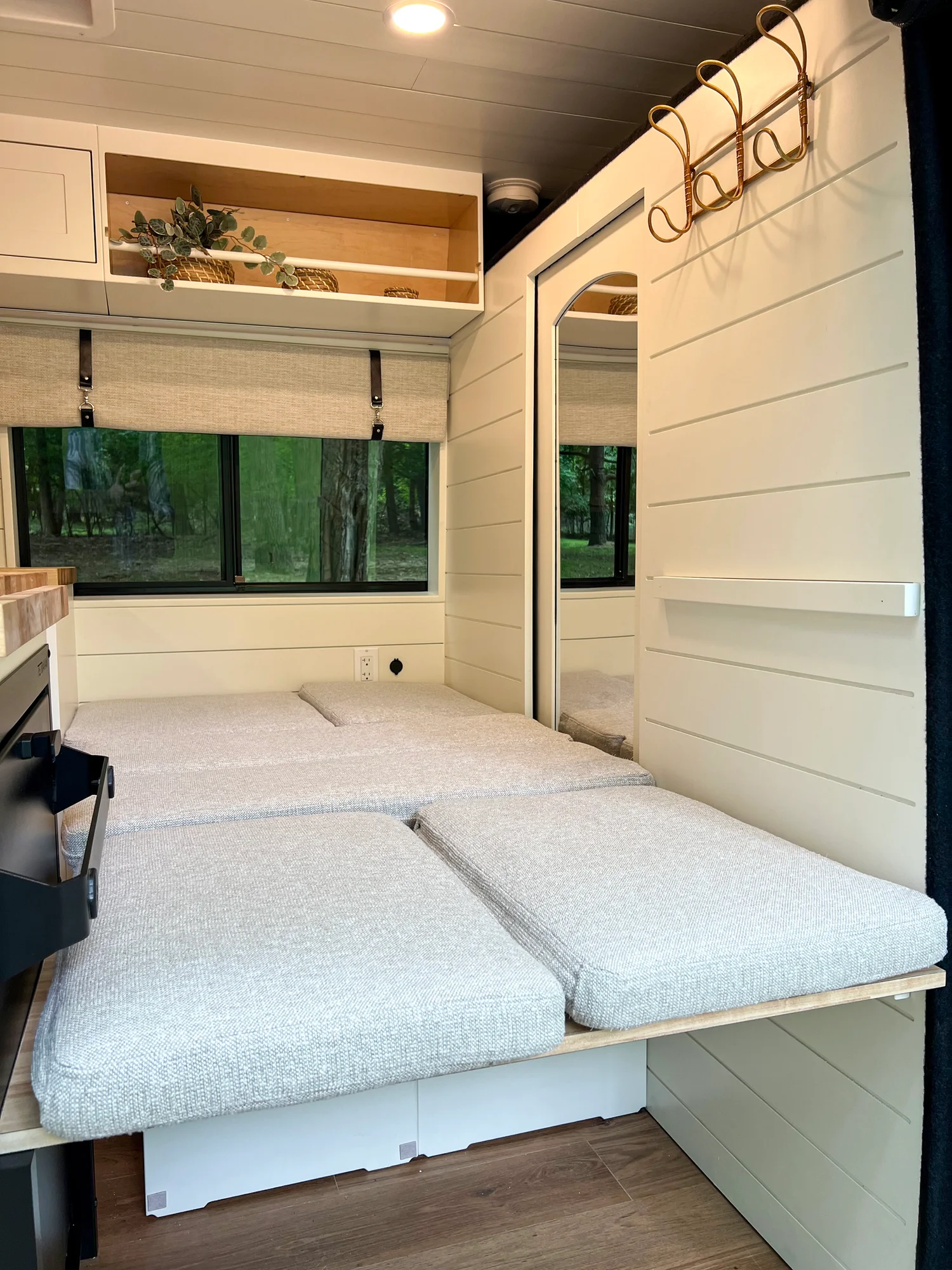
How to Sell Your House and Live in a Van: From a Guy Who’s Helped People Through the In-Between

By Paul Domish | Drifter Vans

We See It All the Time
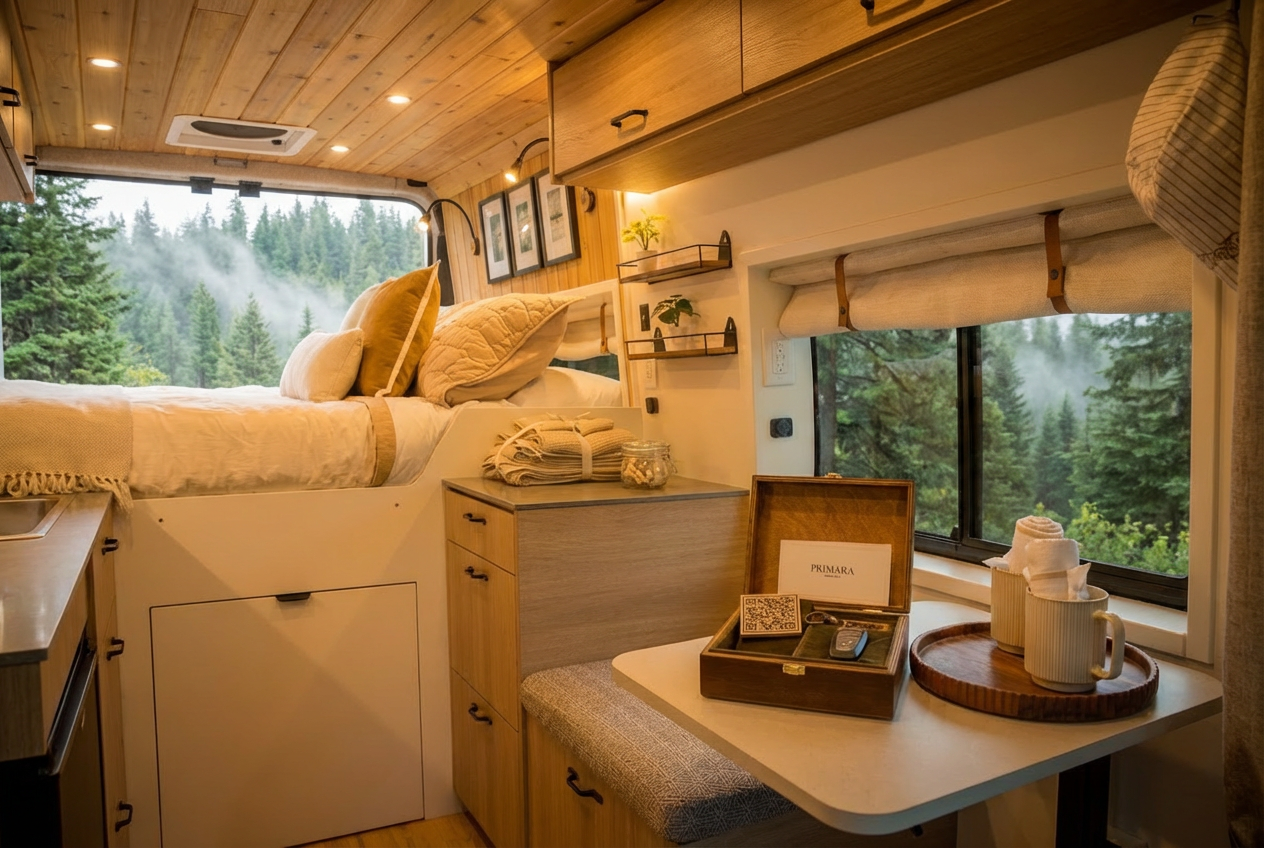
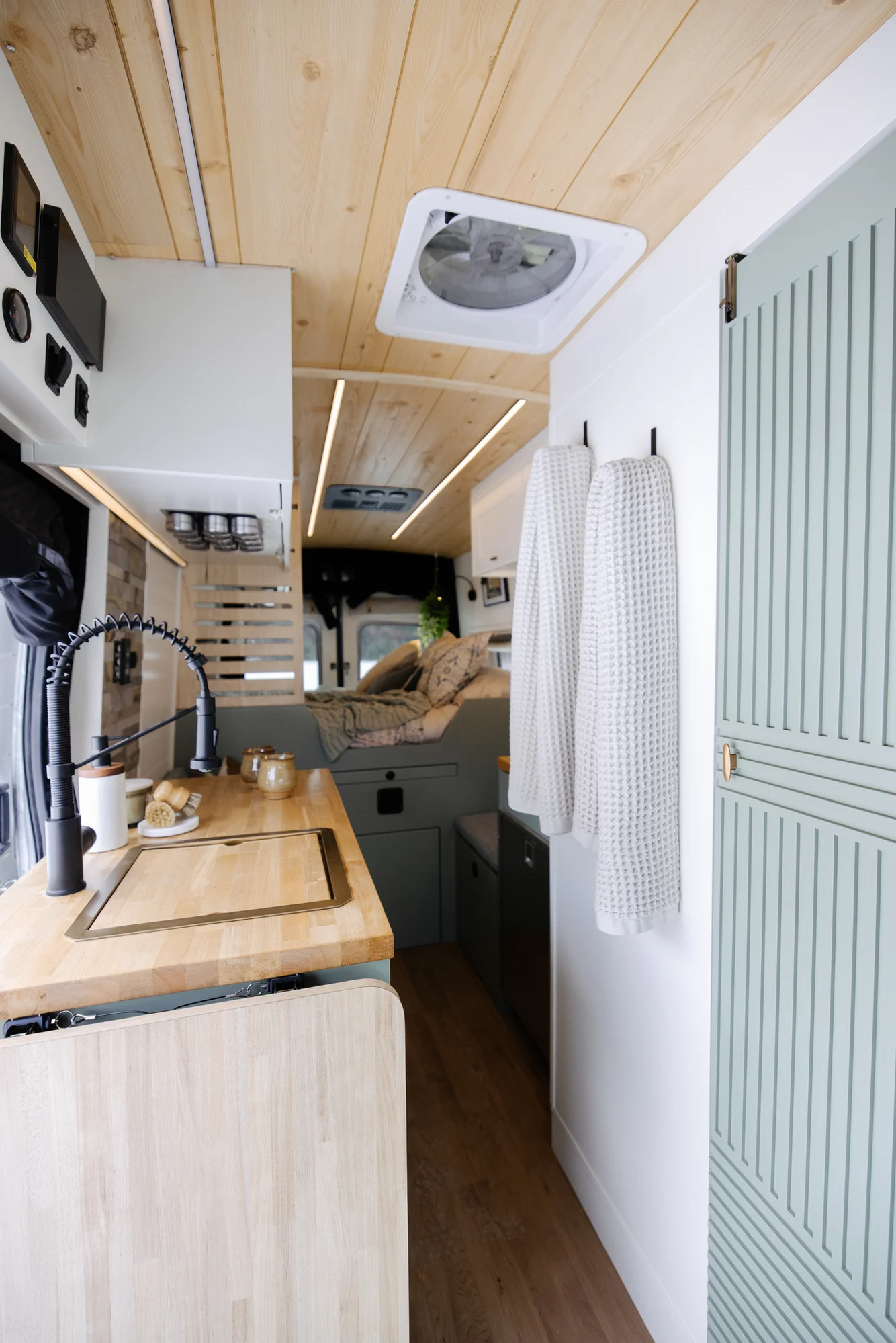
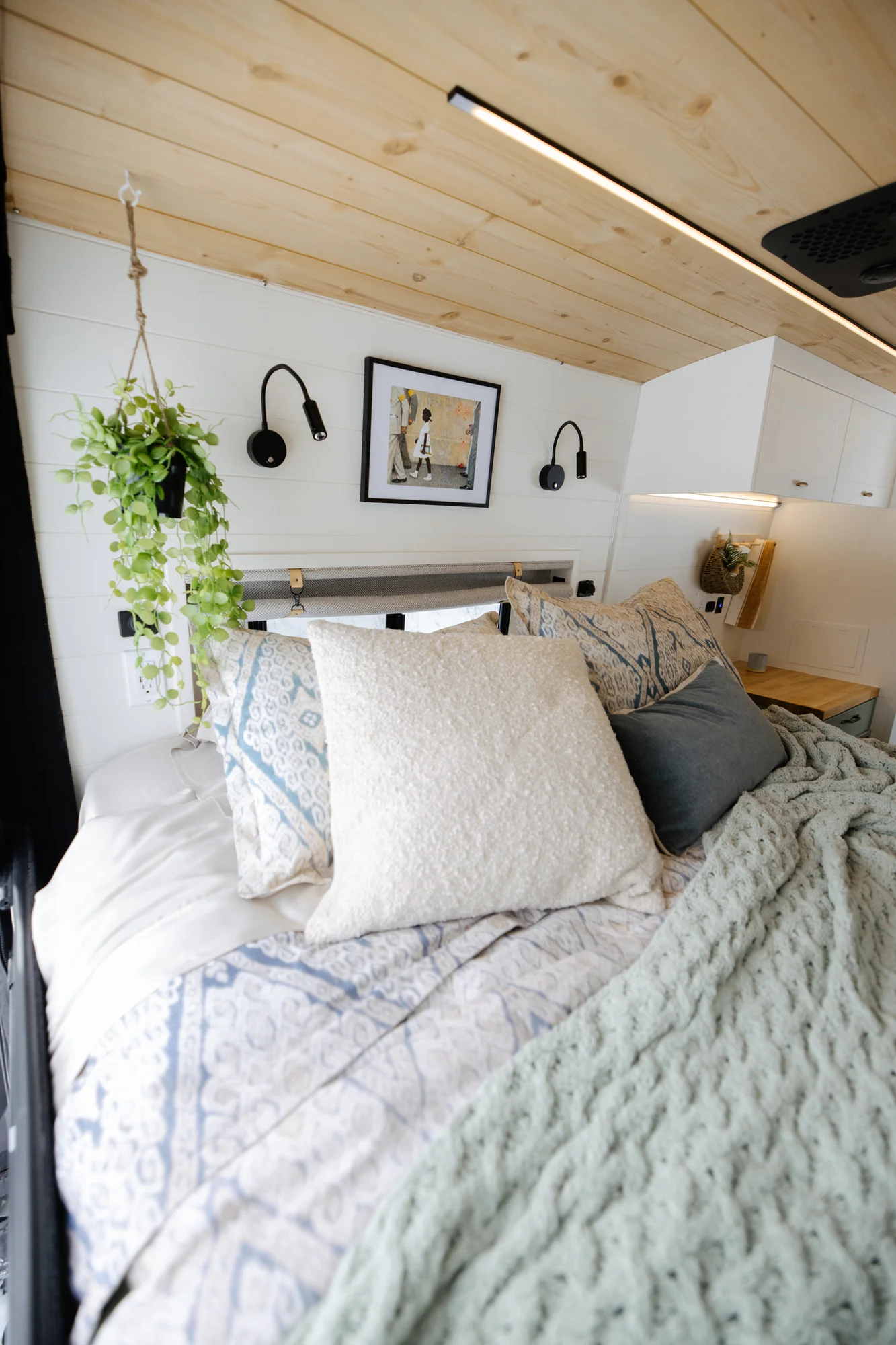
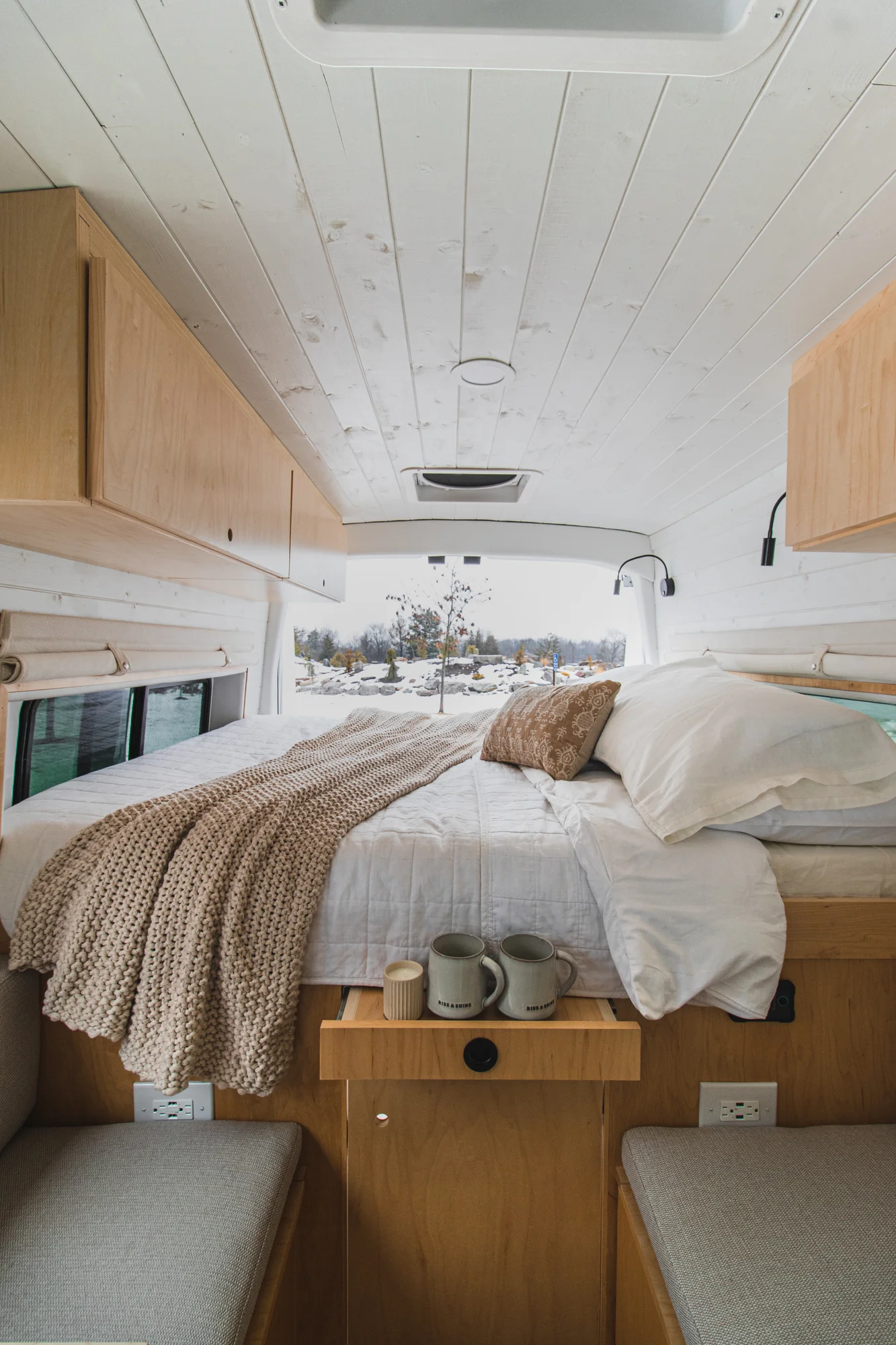
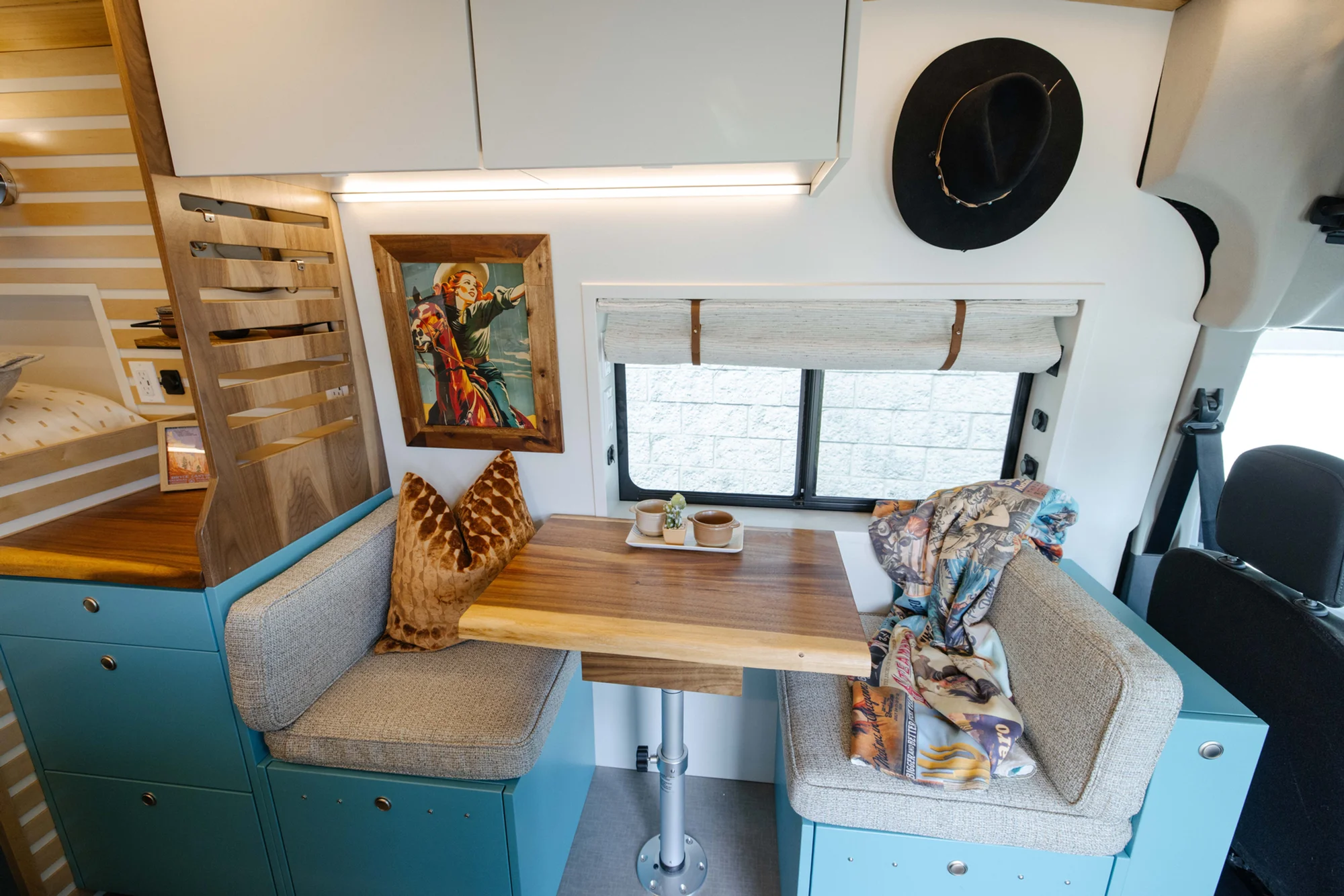
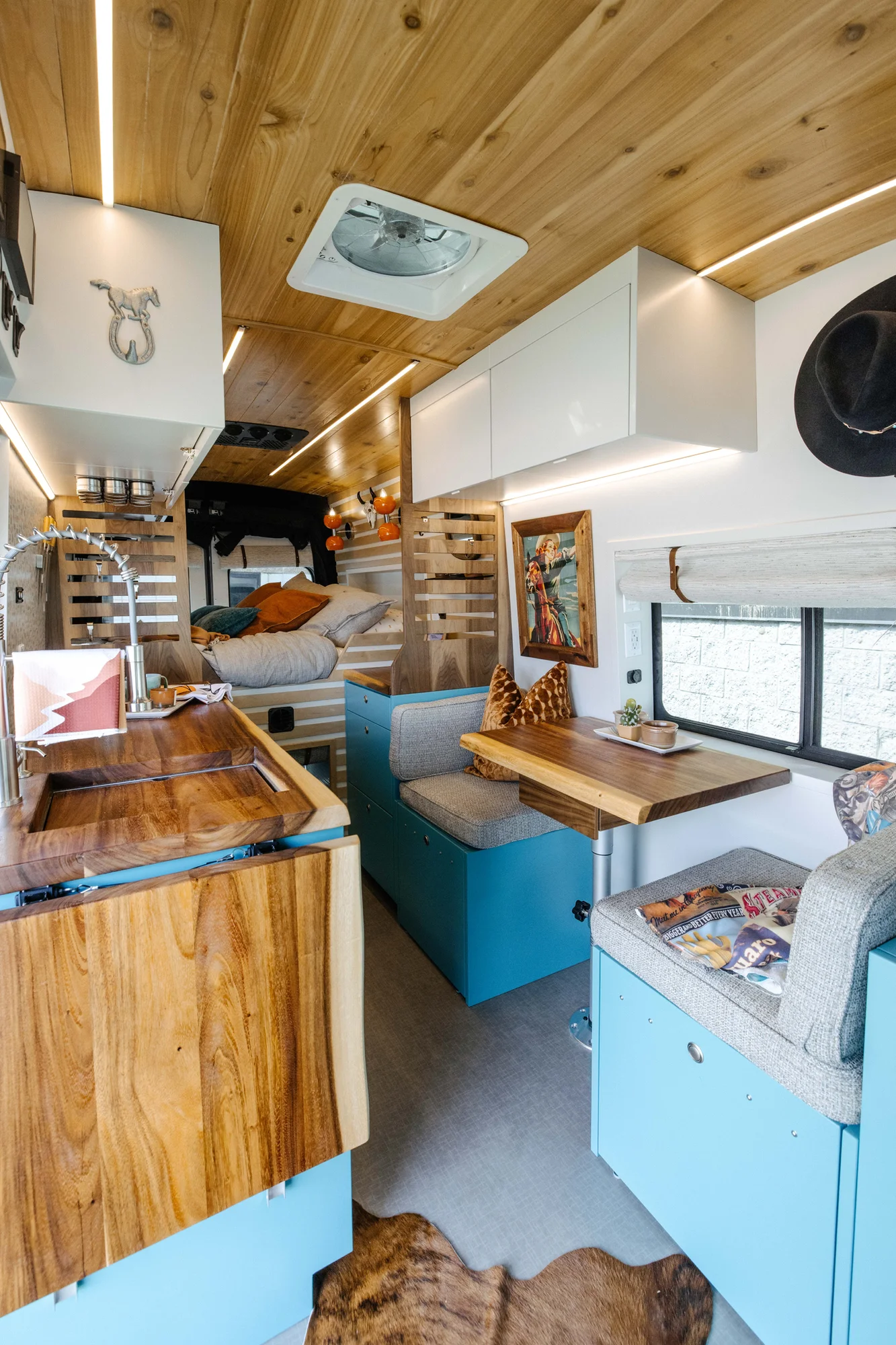
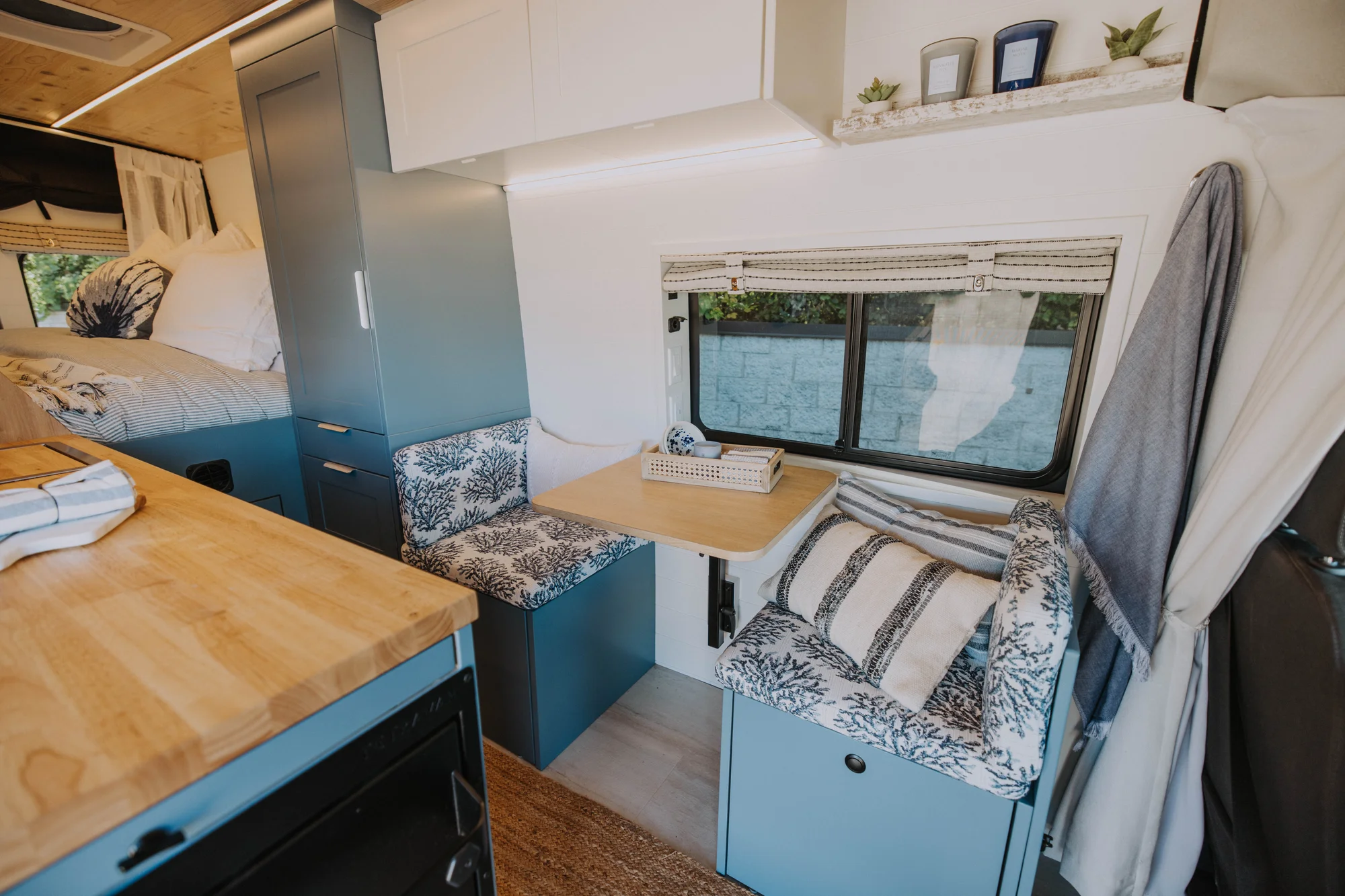
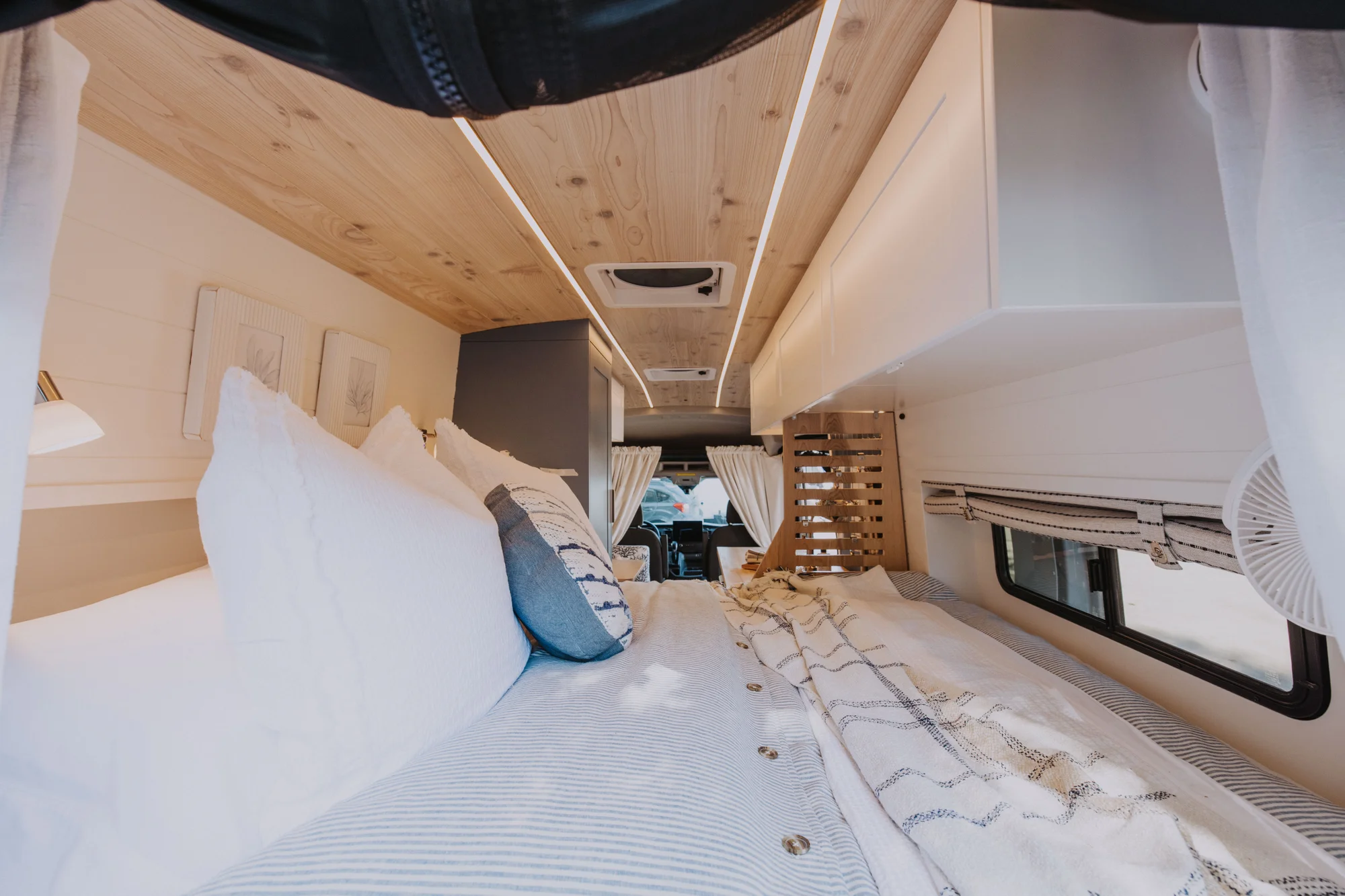
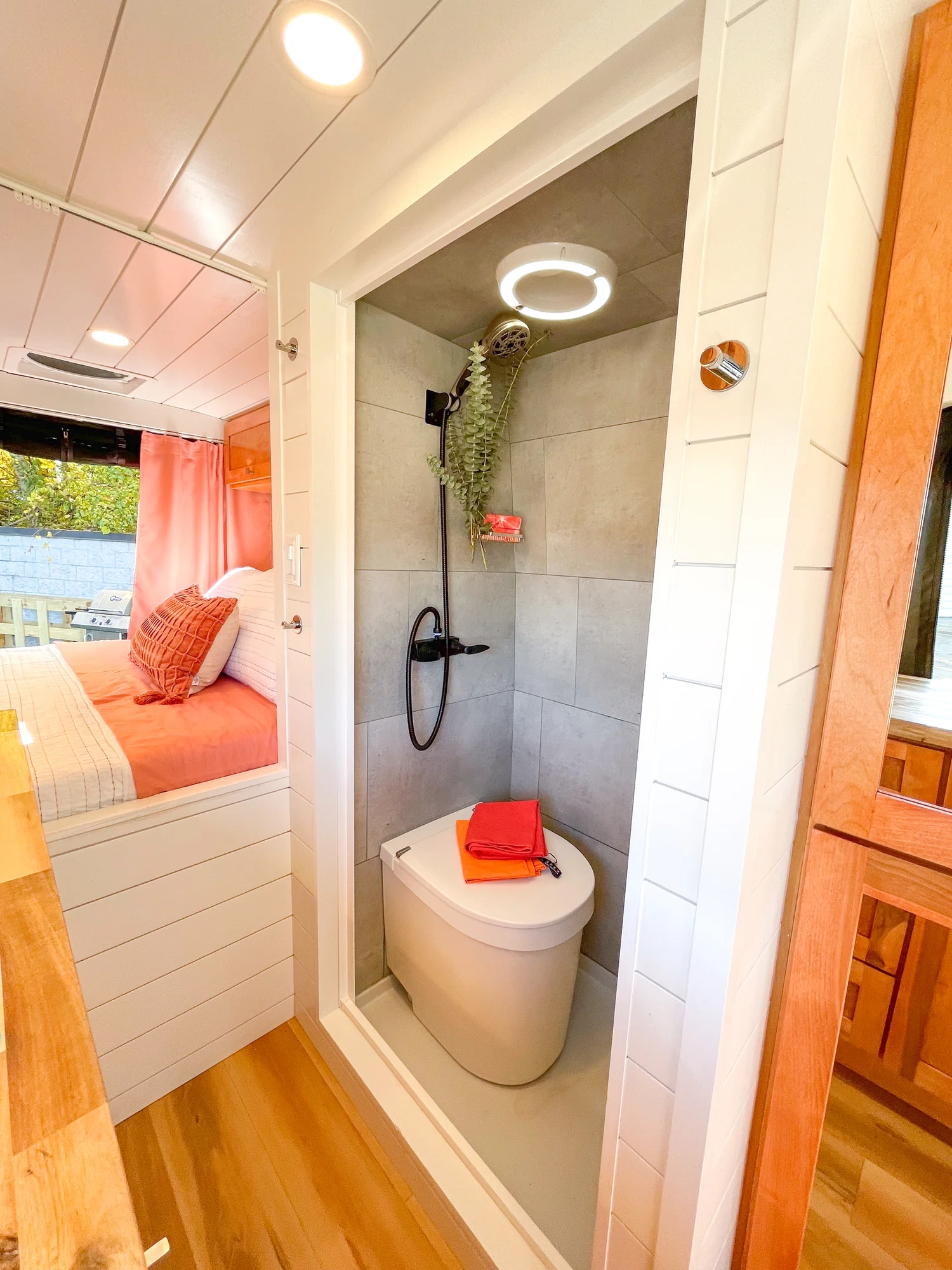
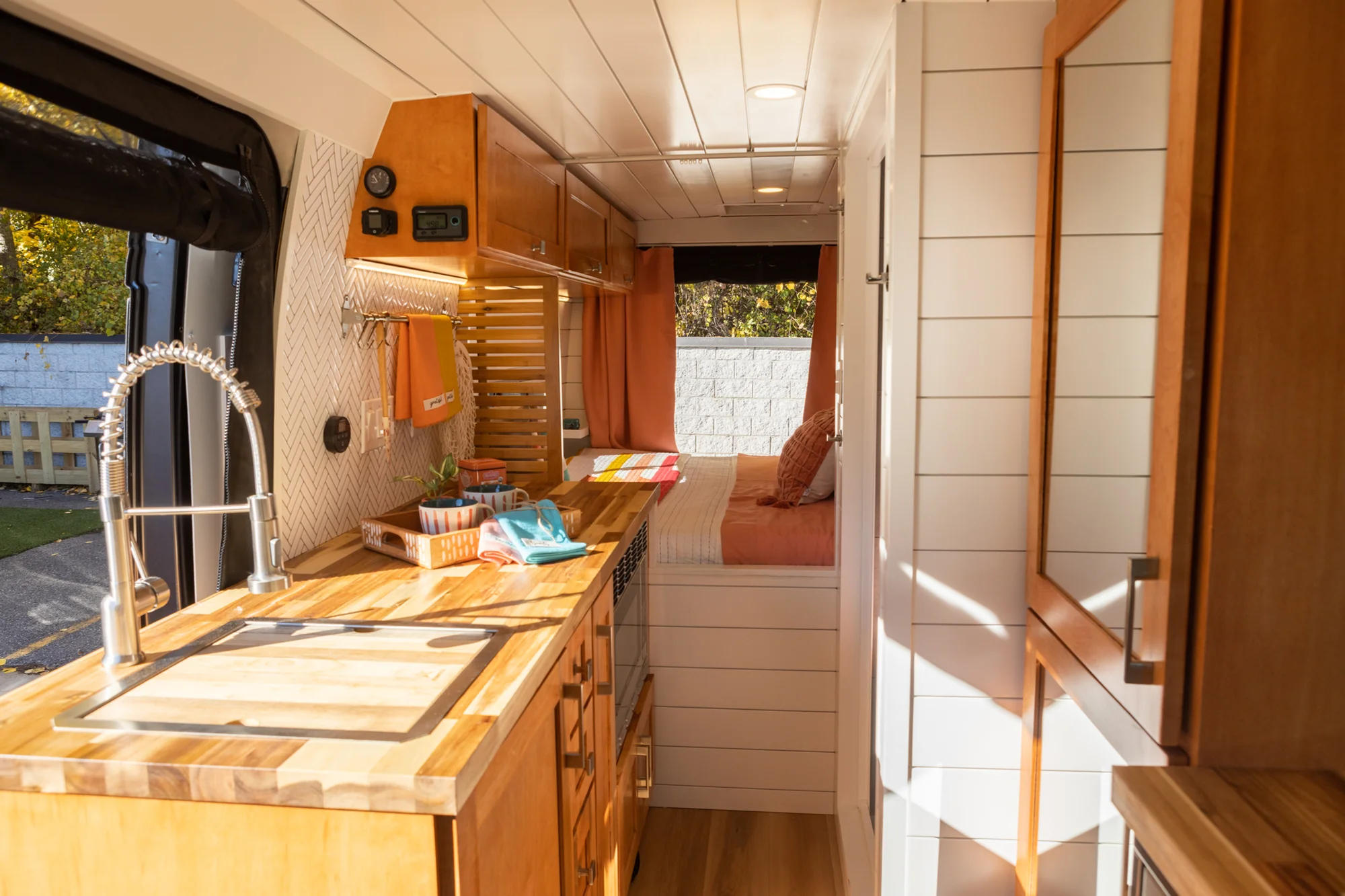
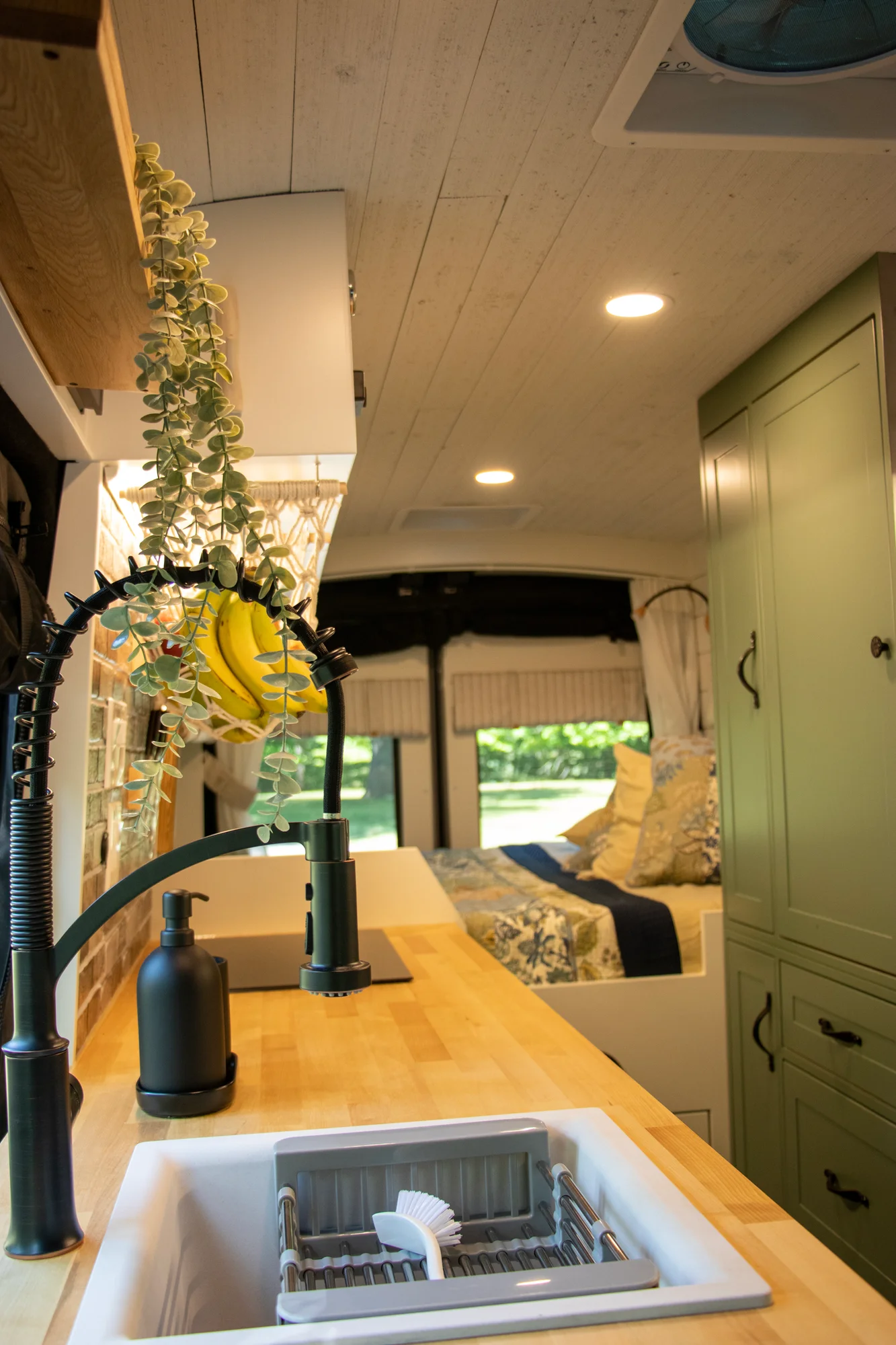
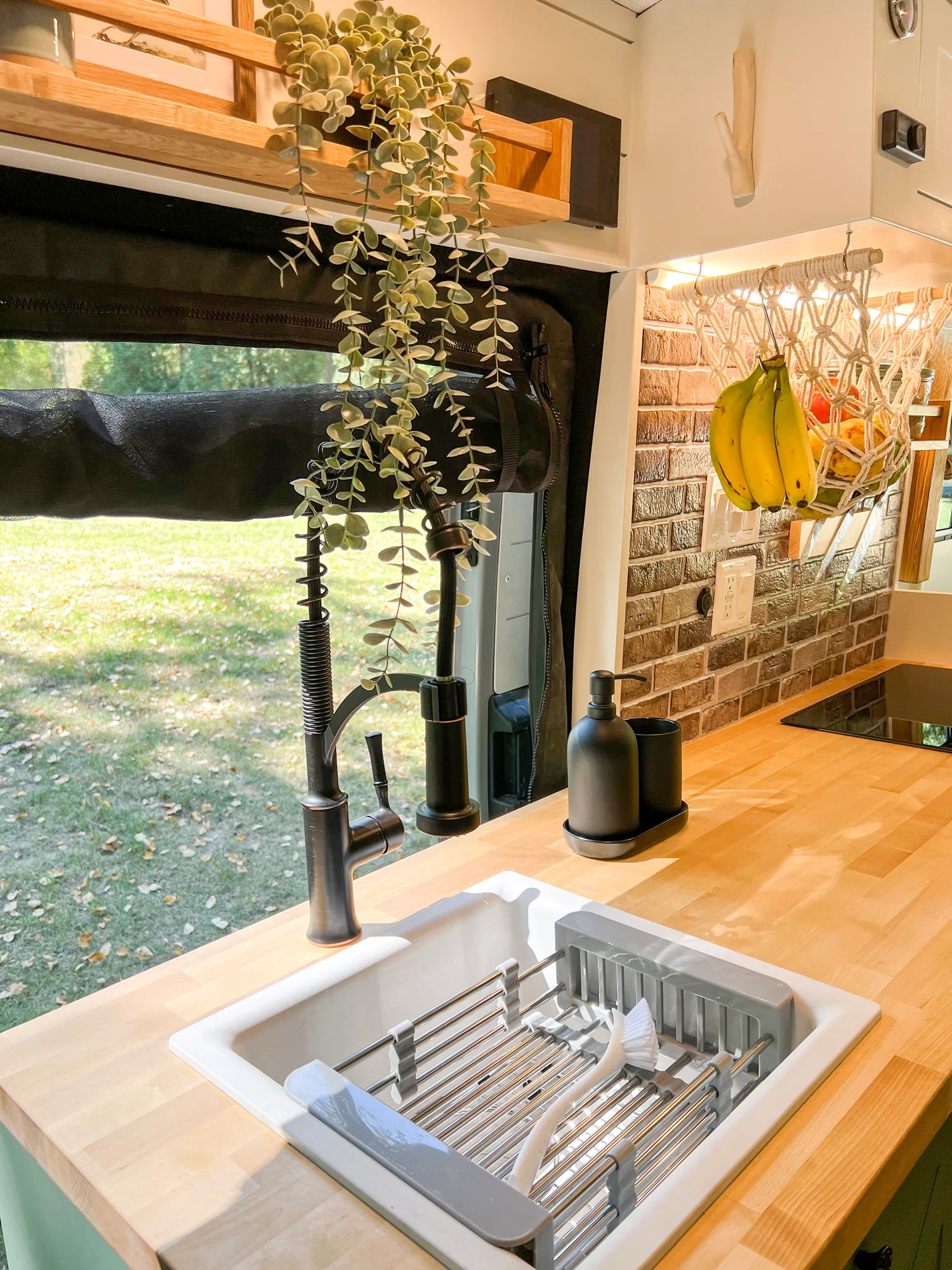
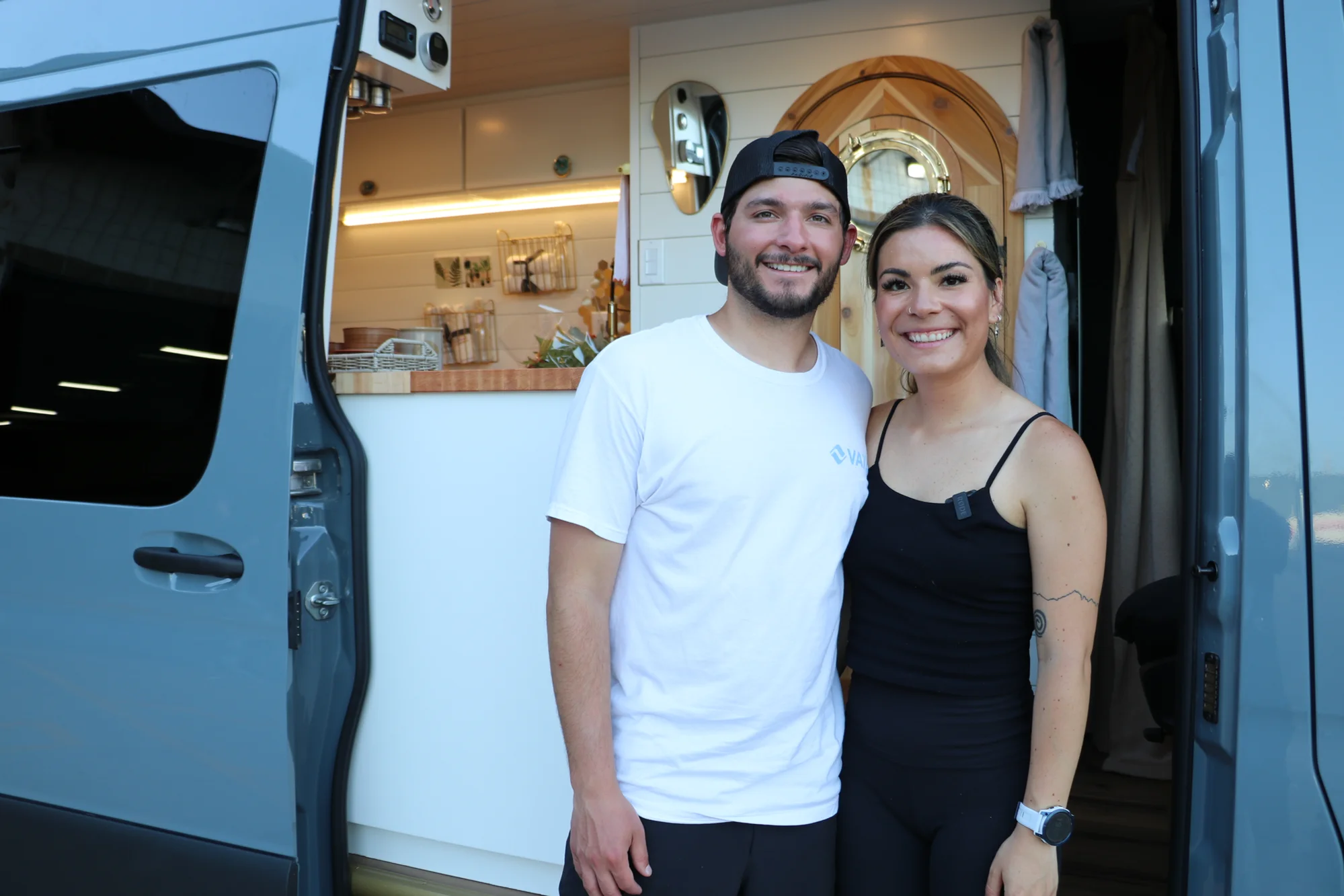
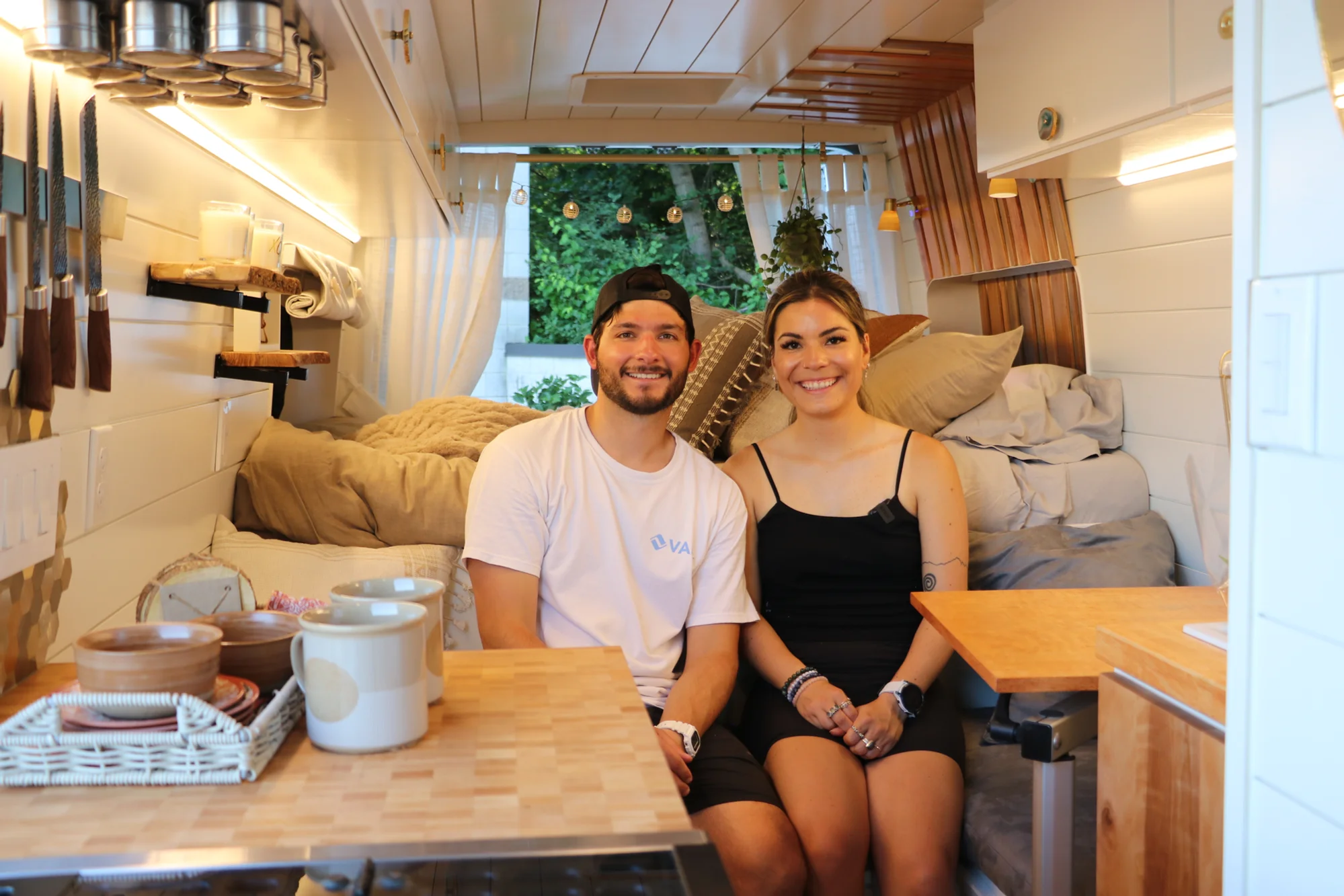
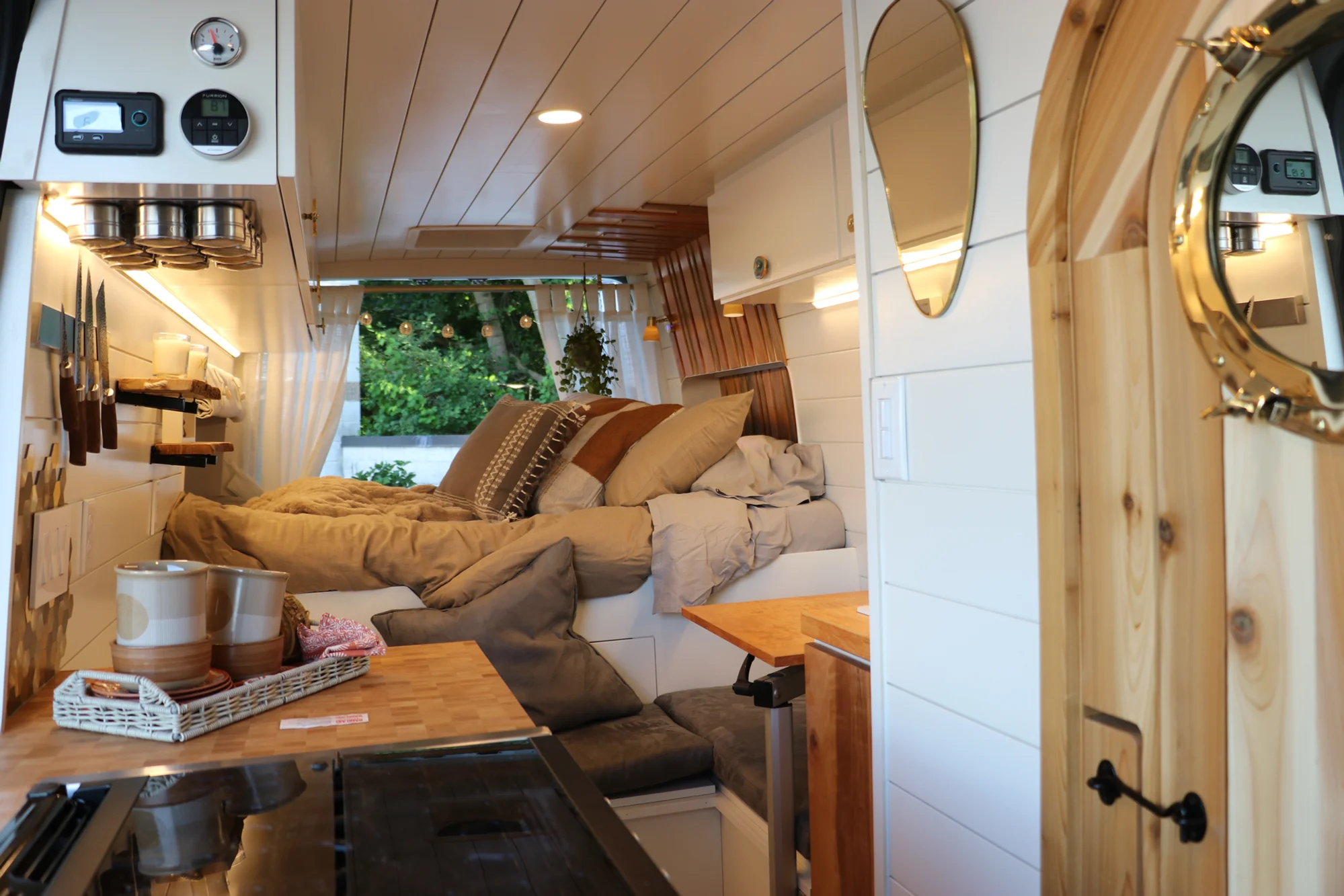
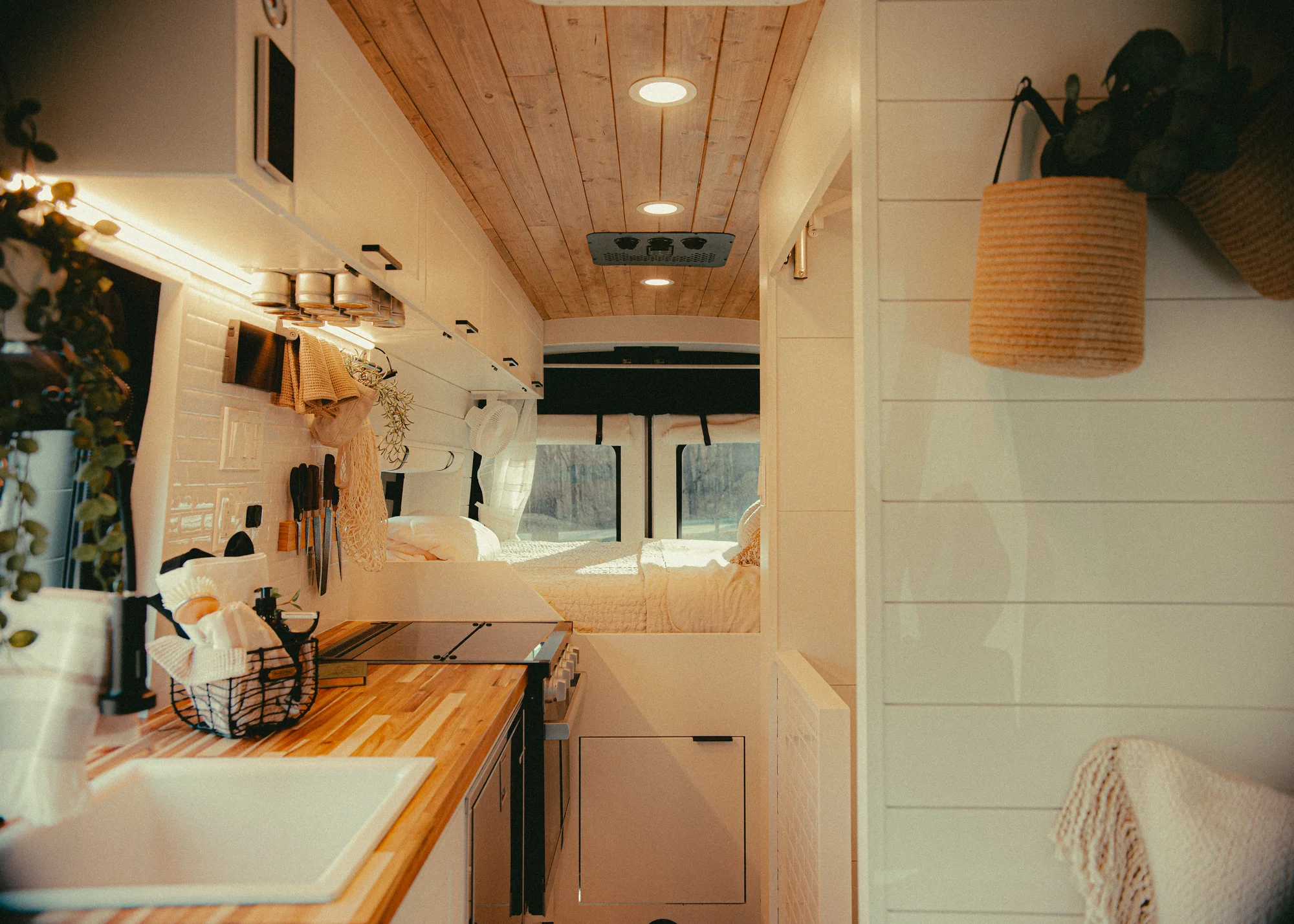
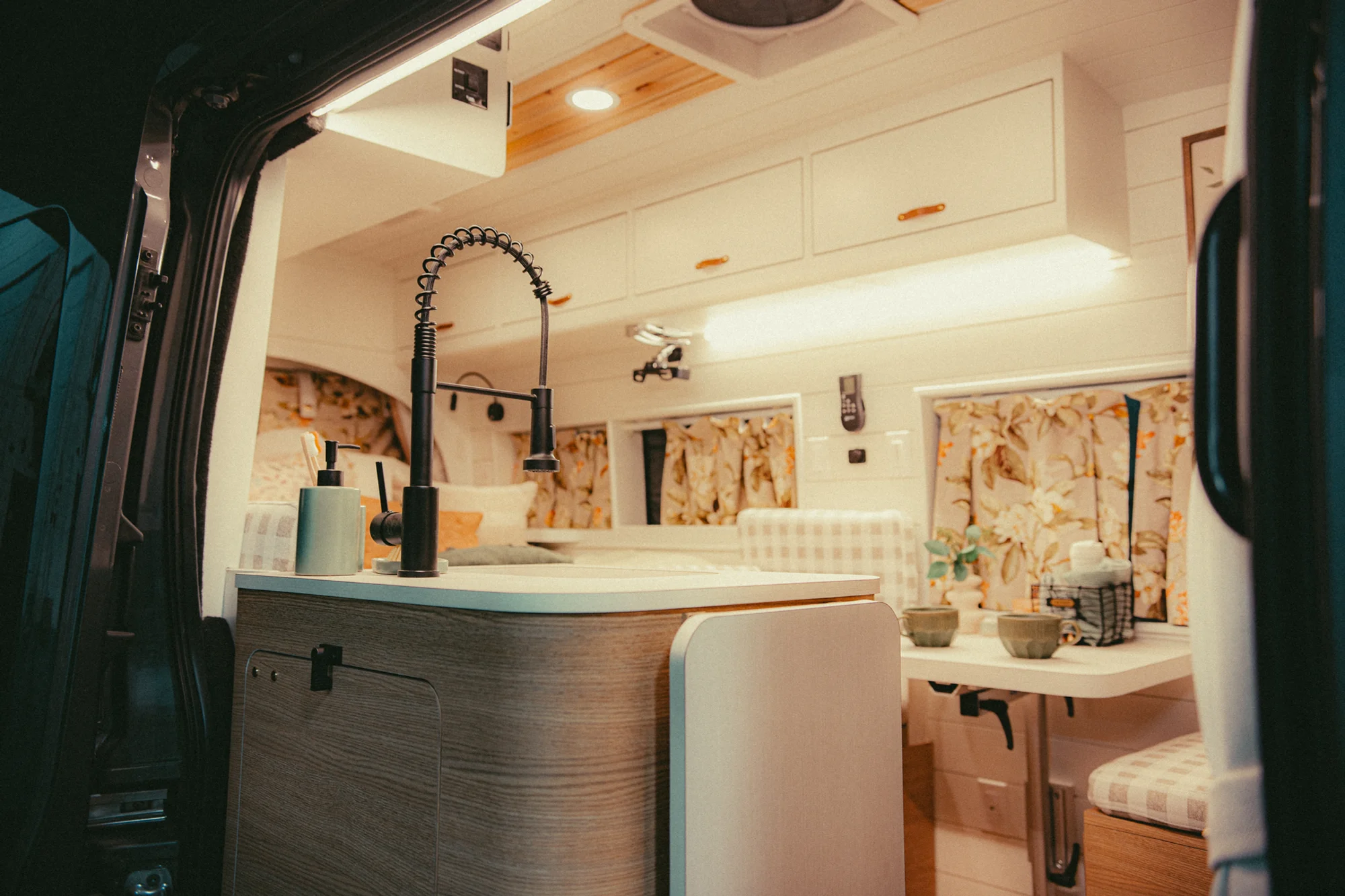
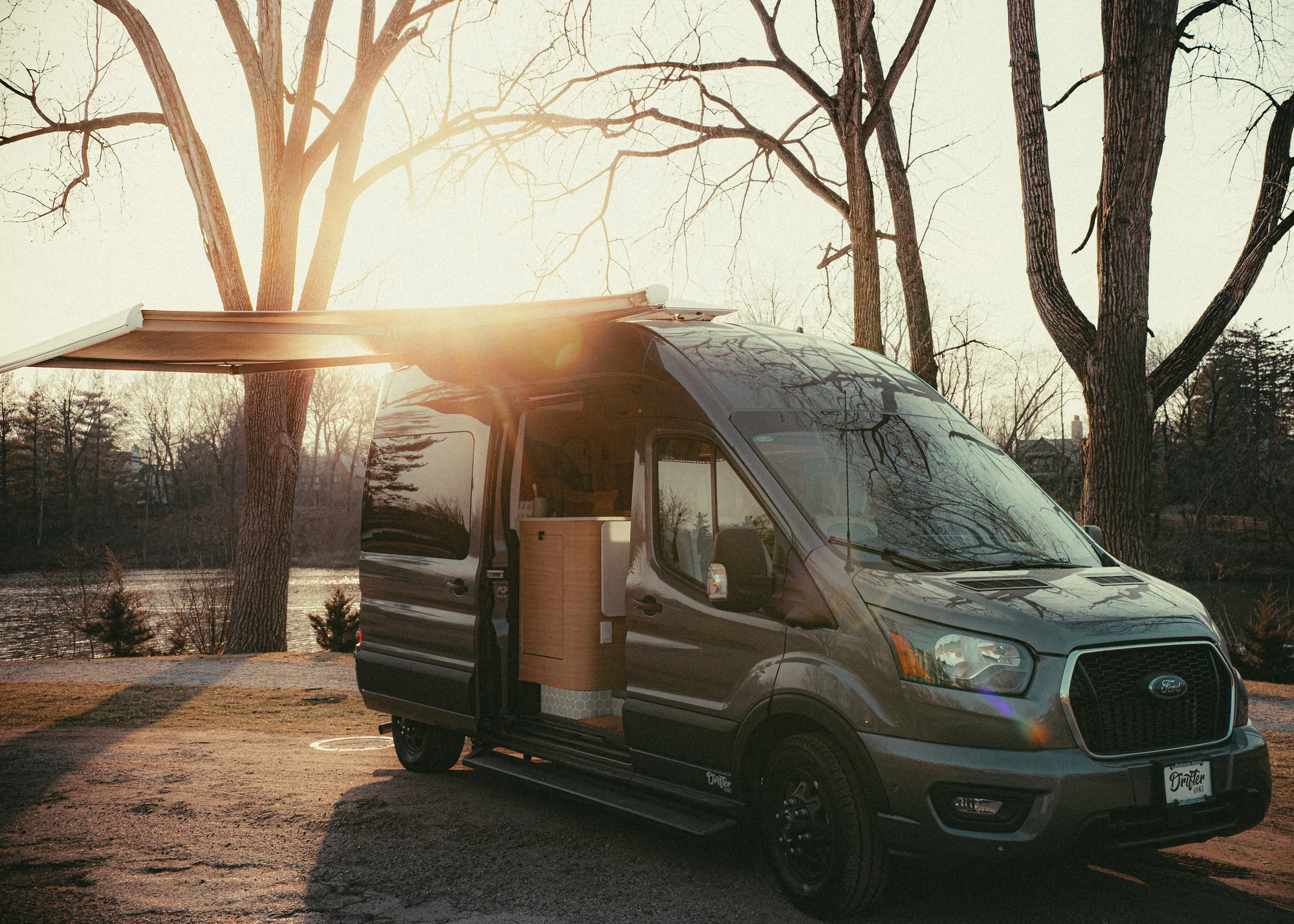
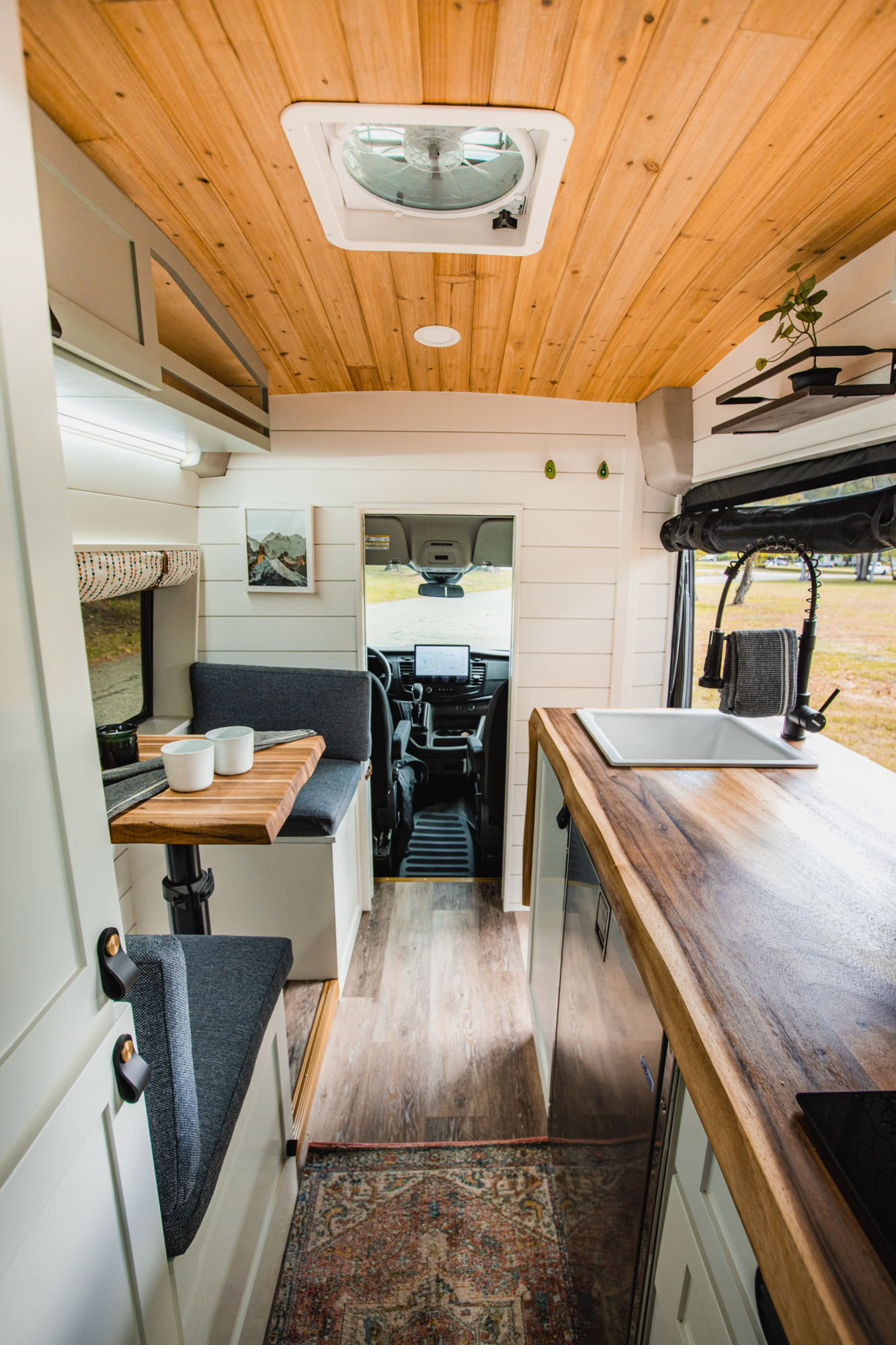
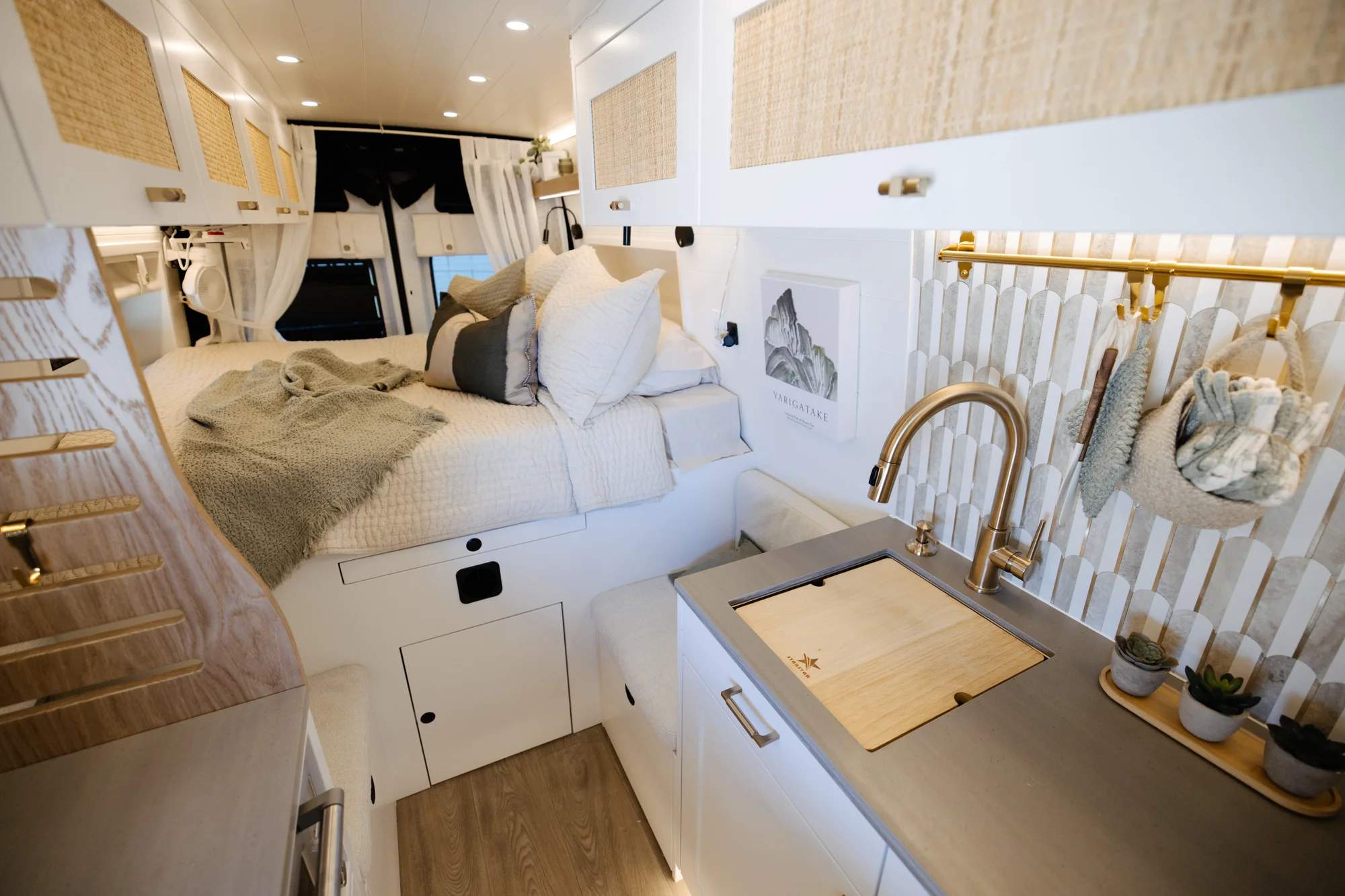
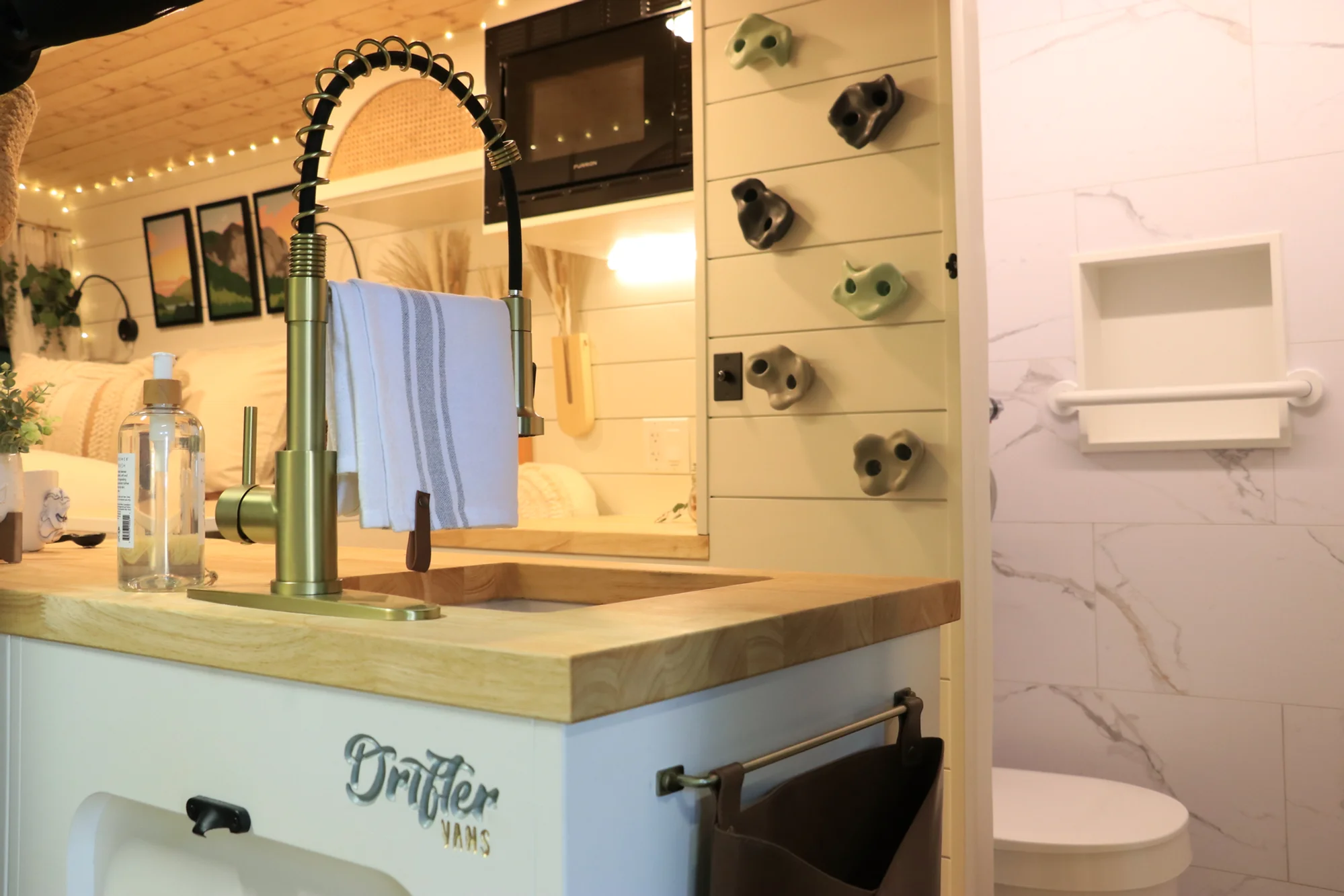
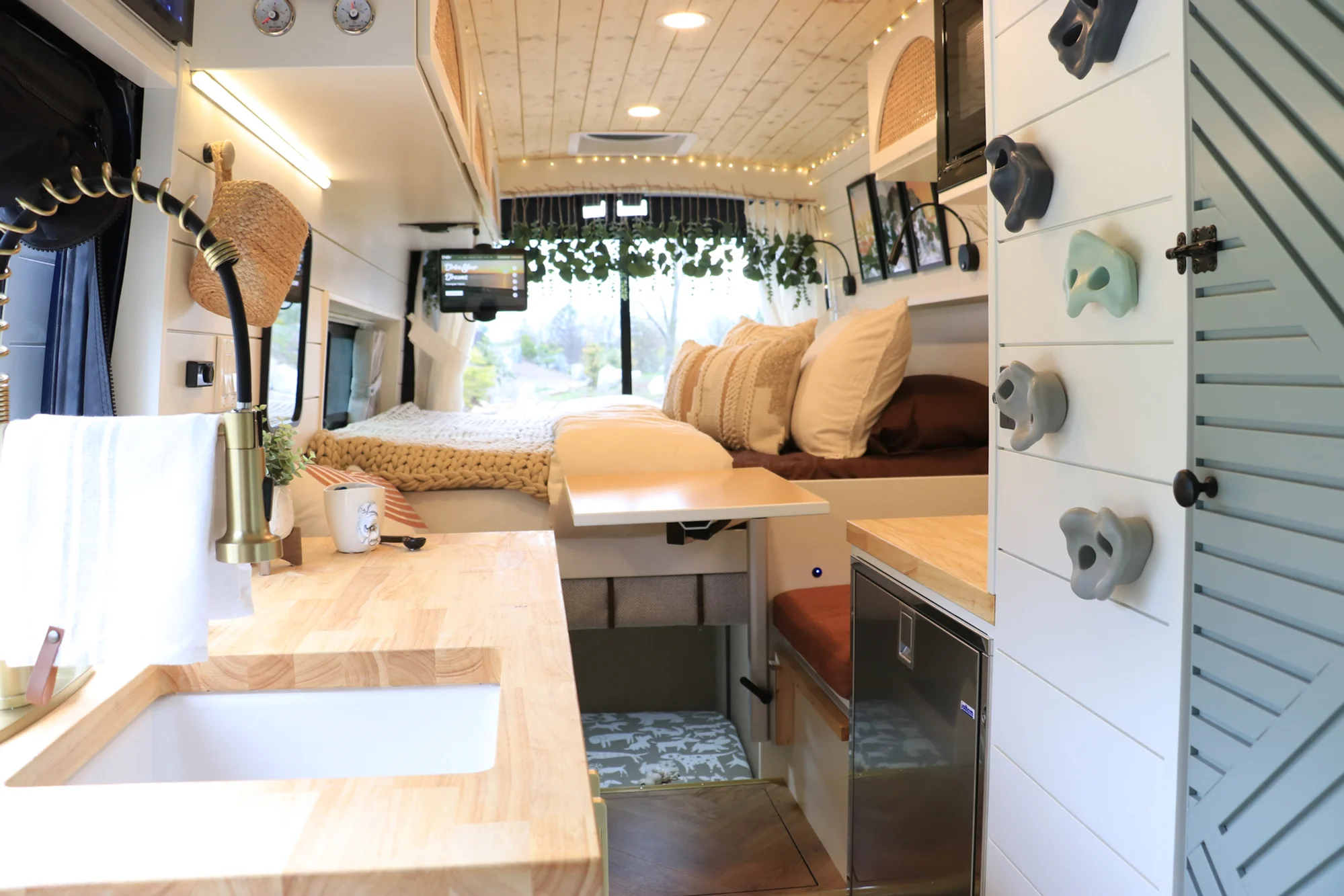
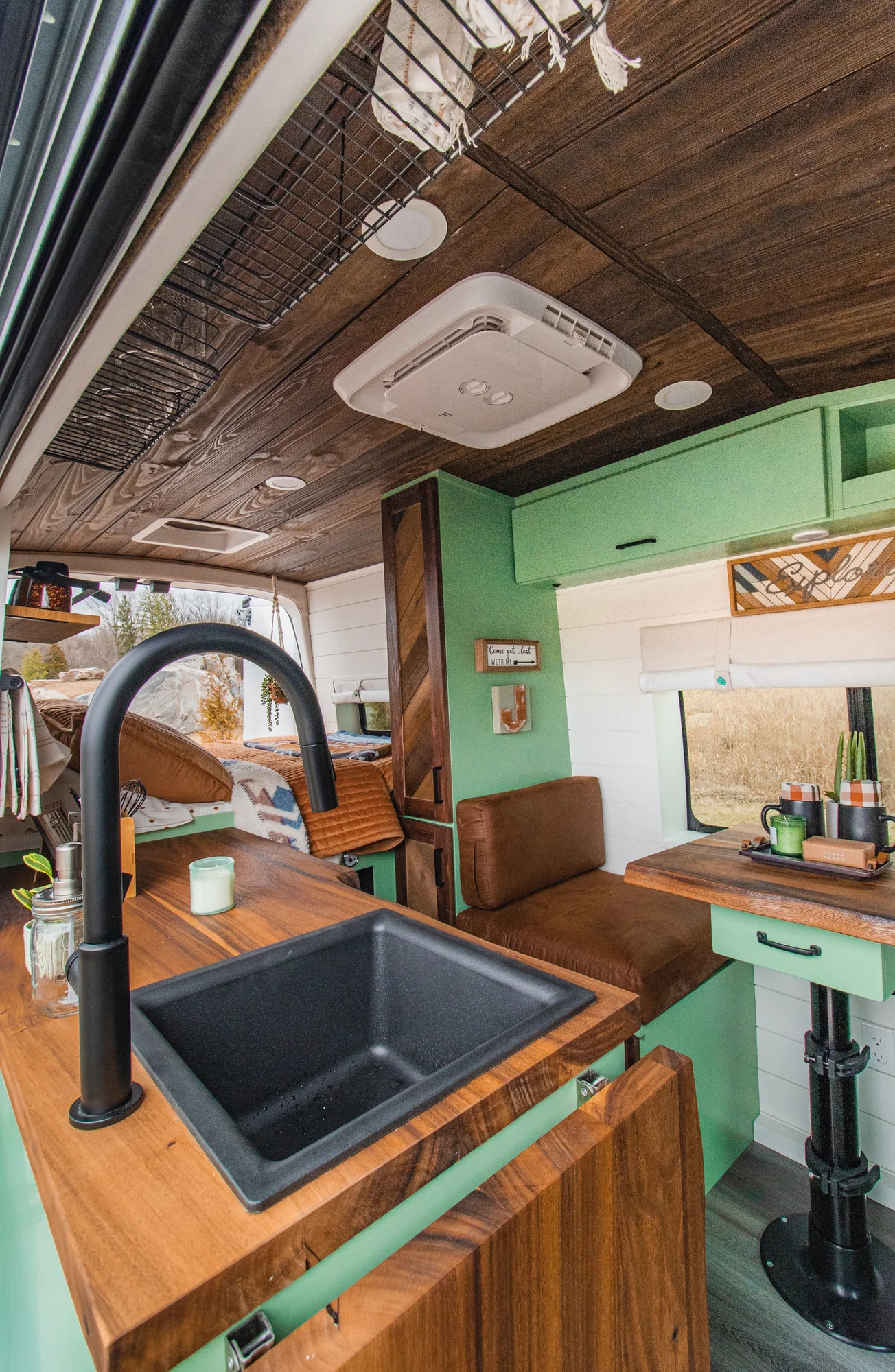
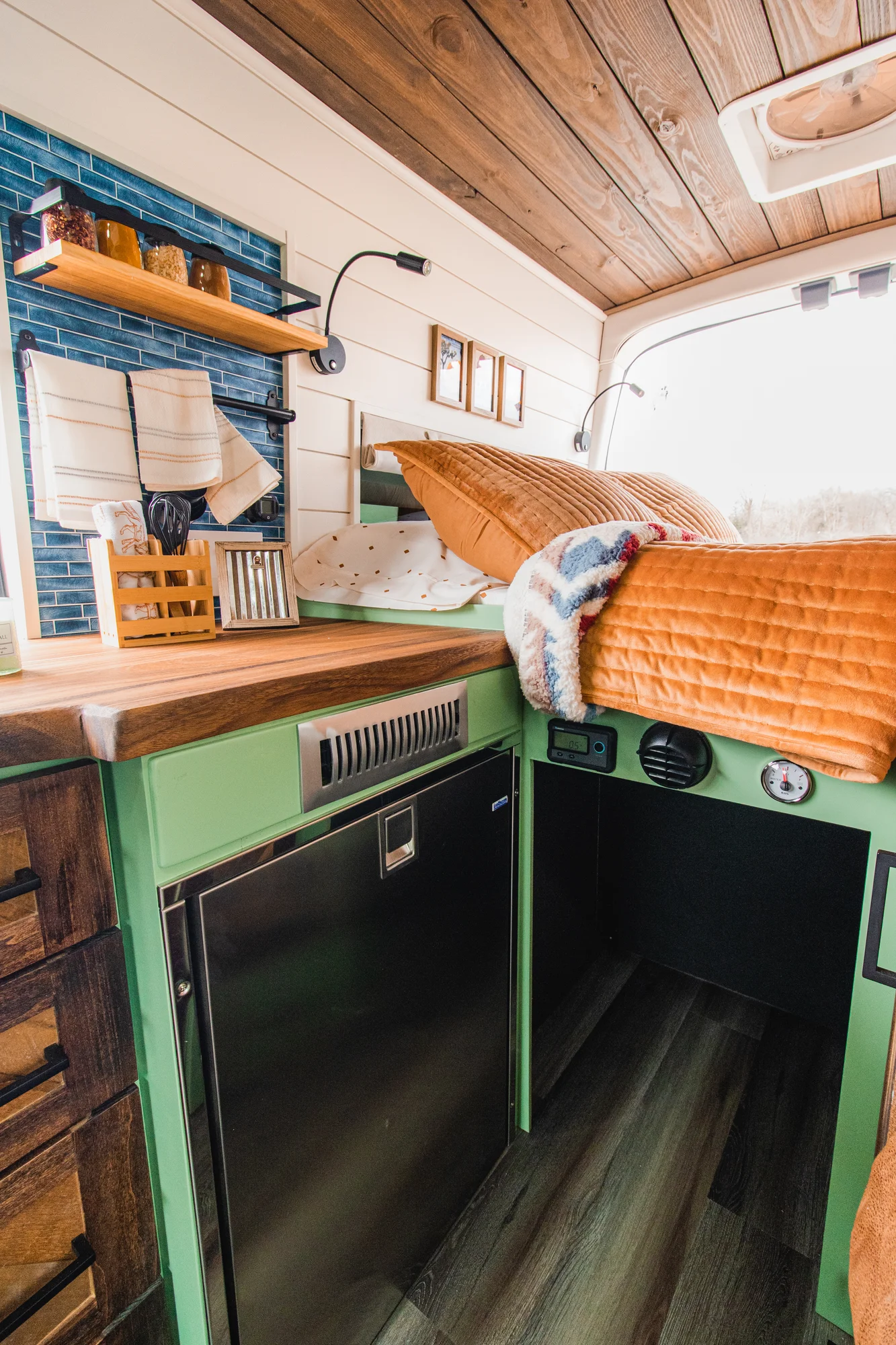
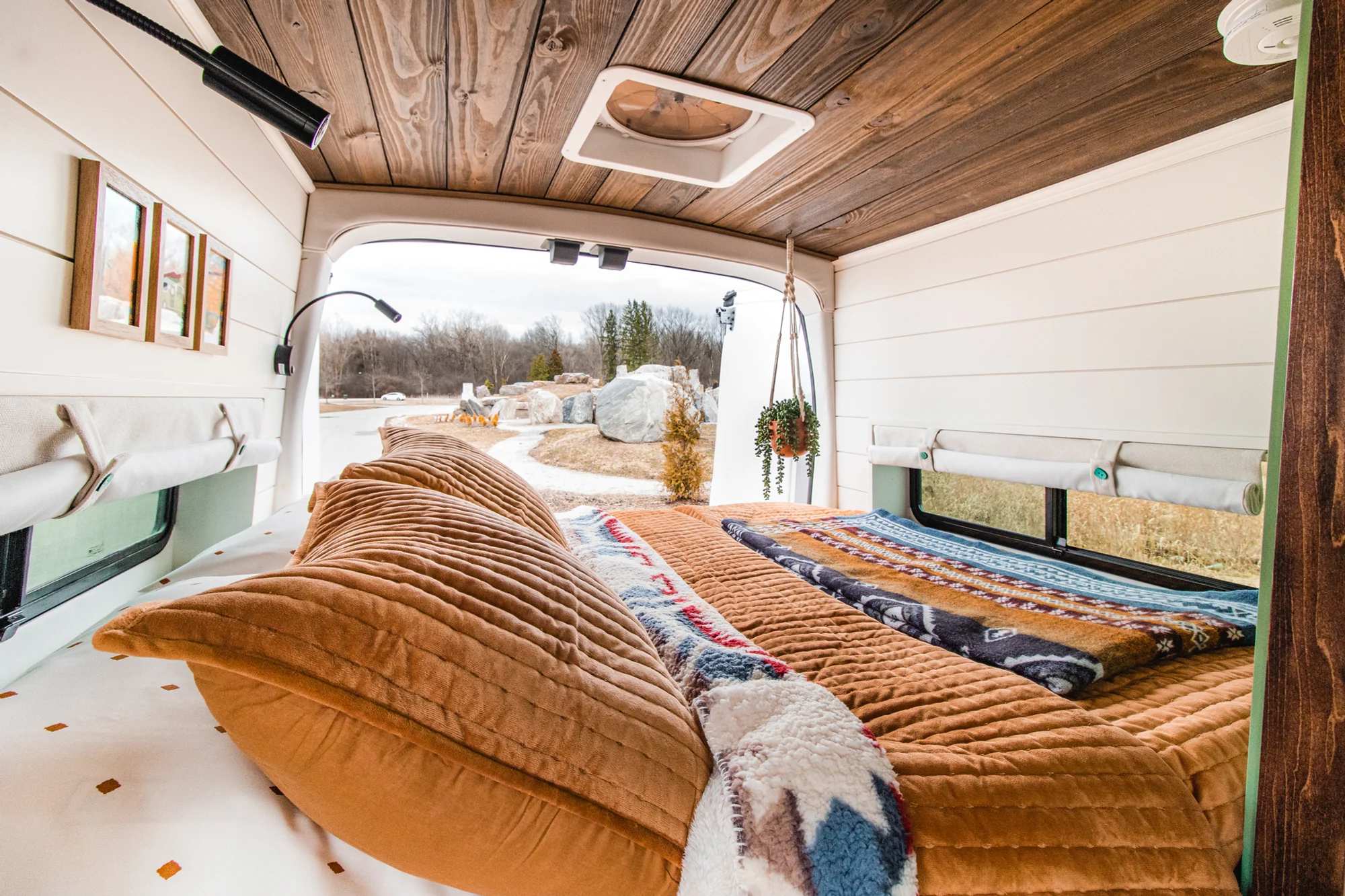
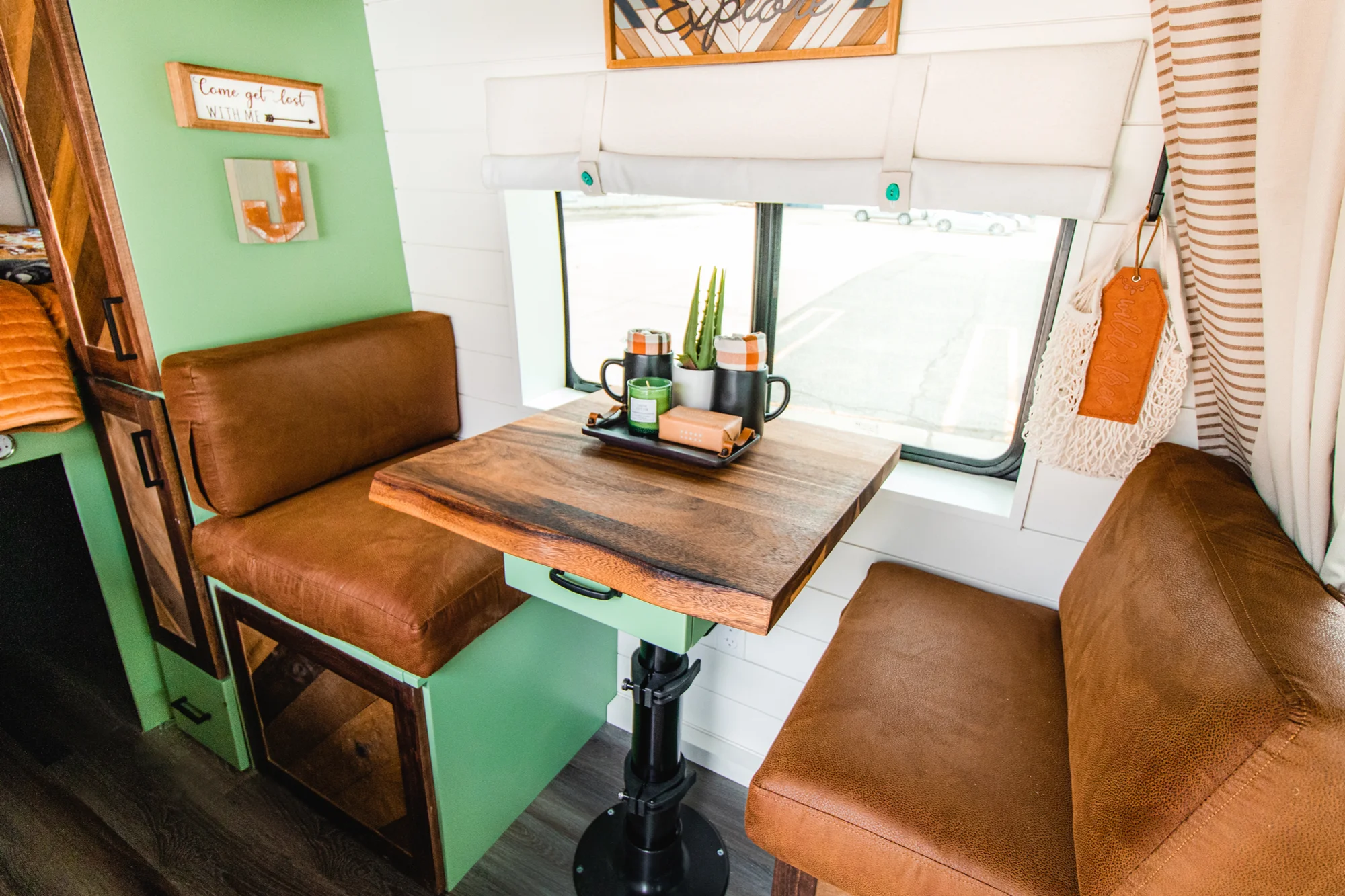
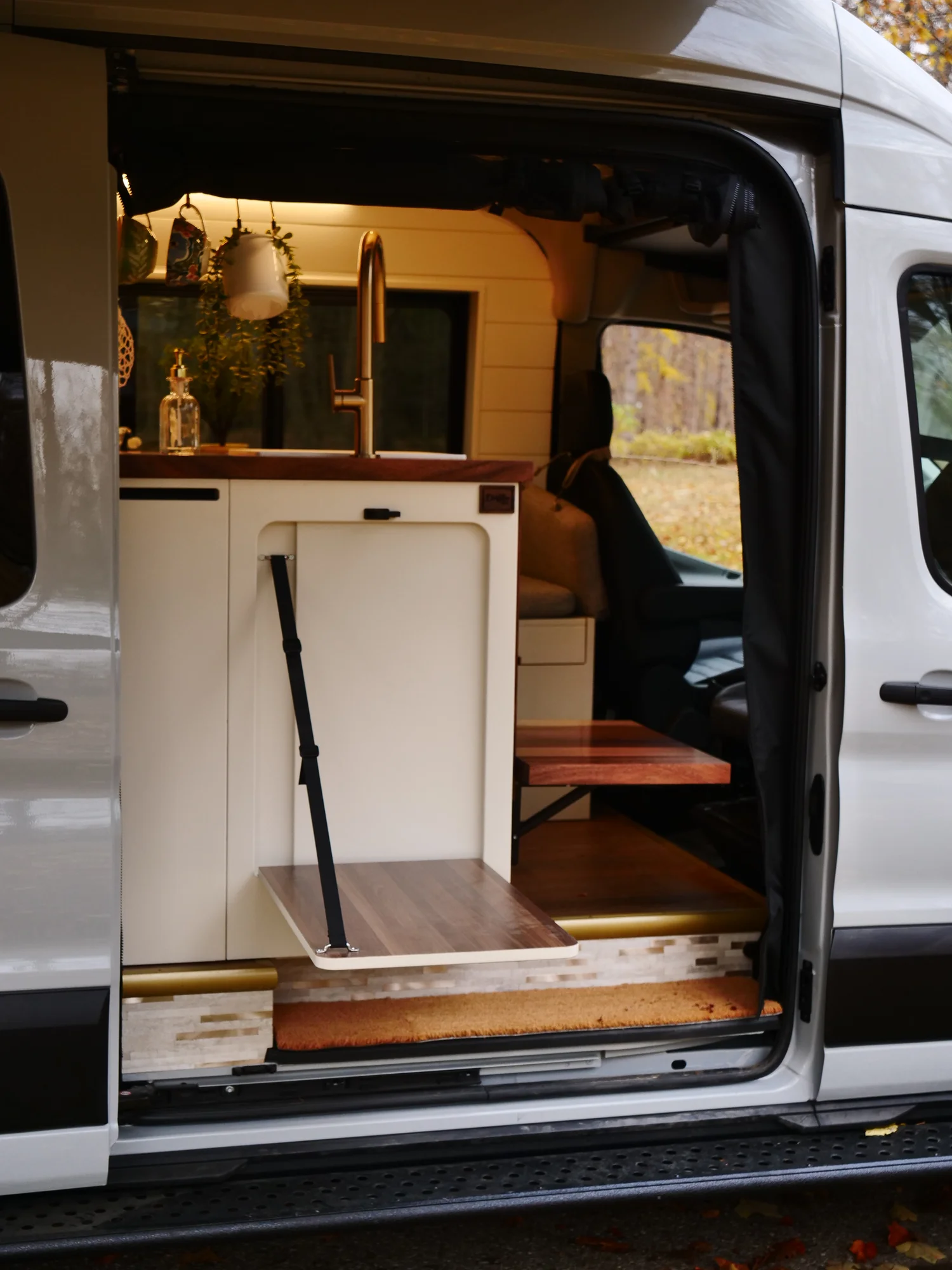
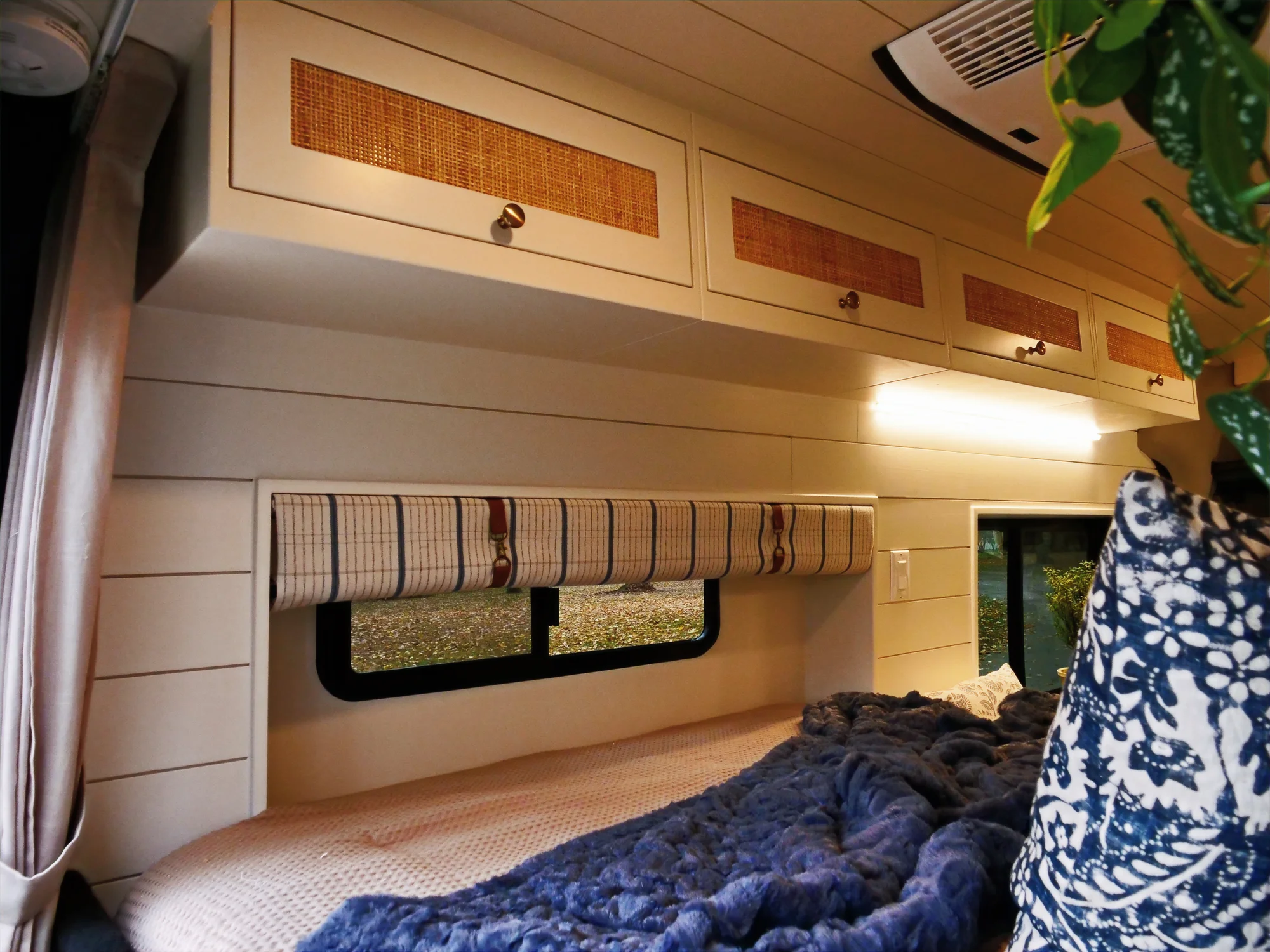
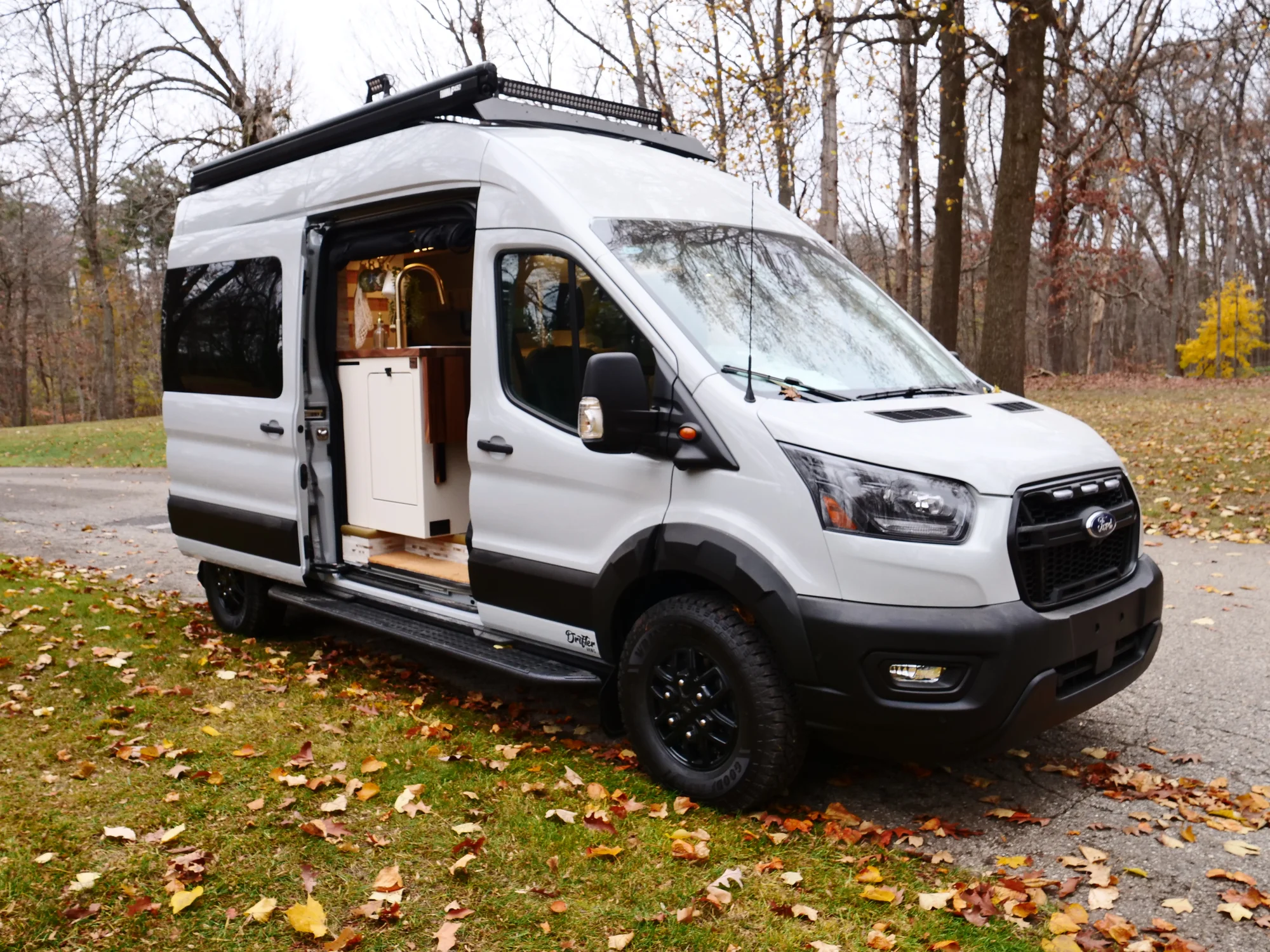
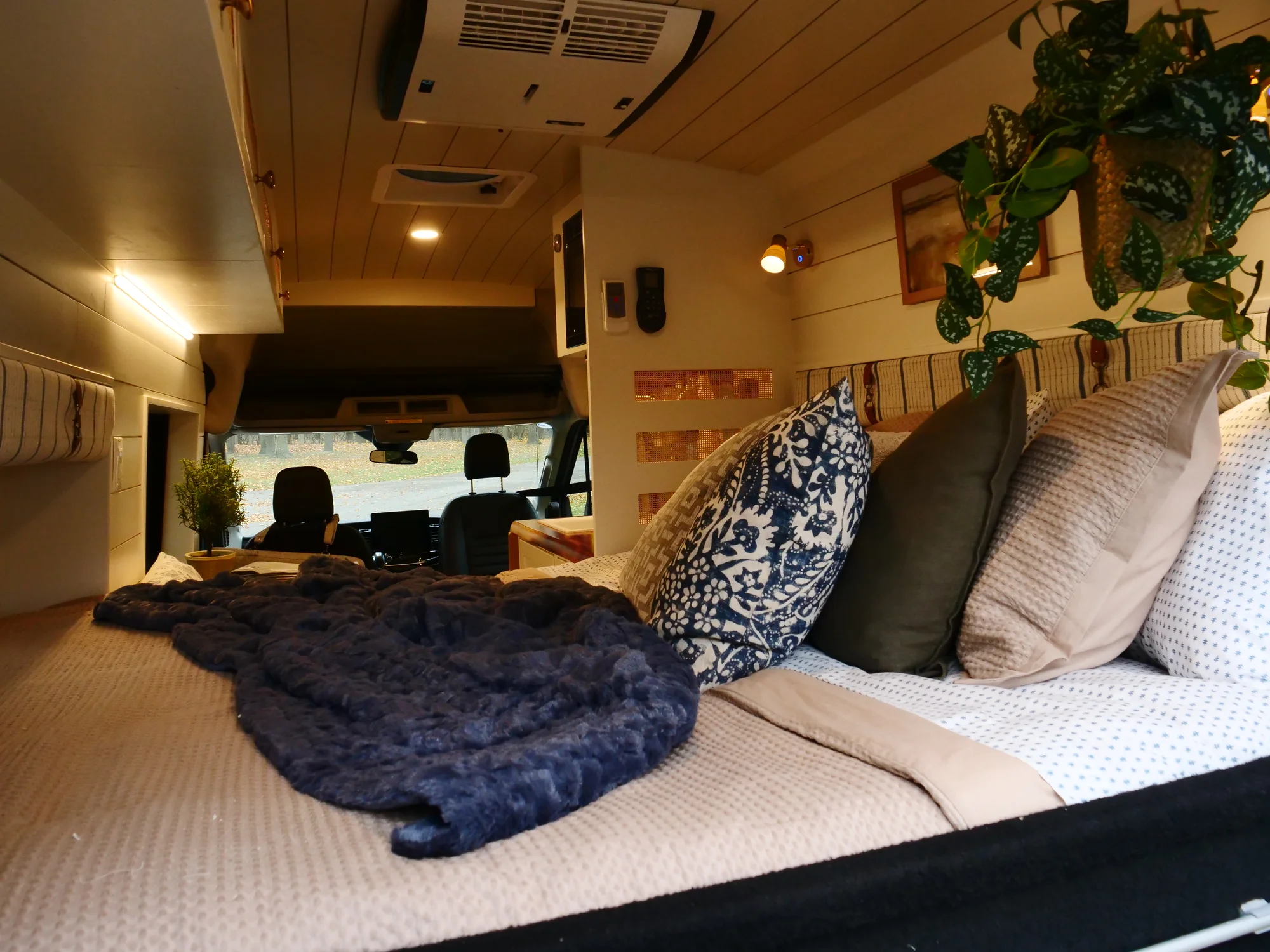
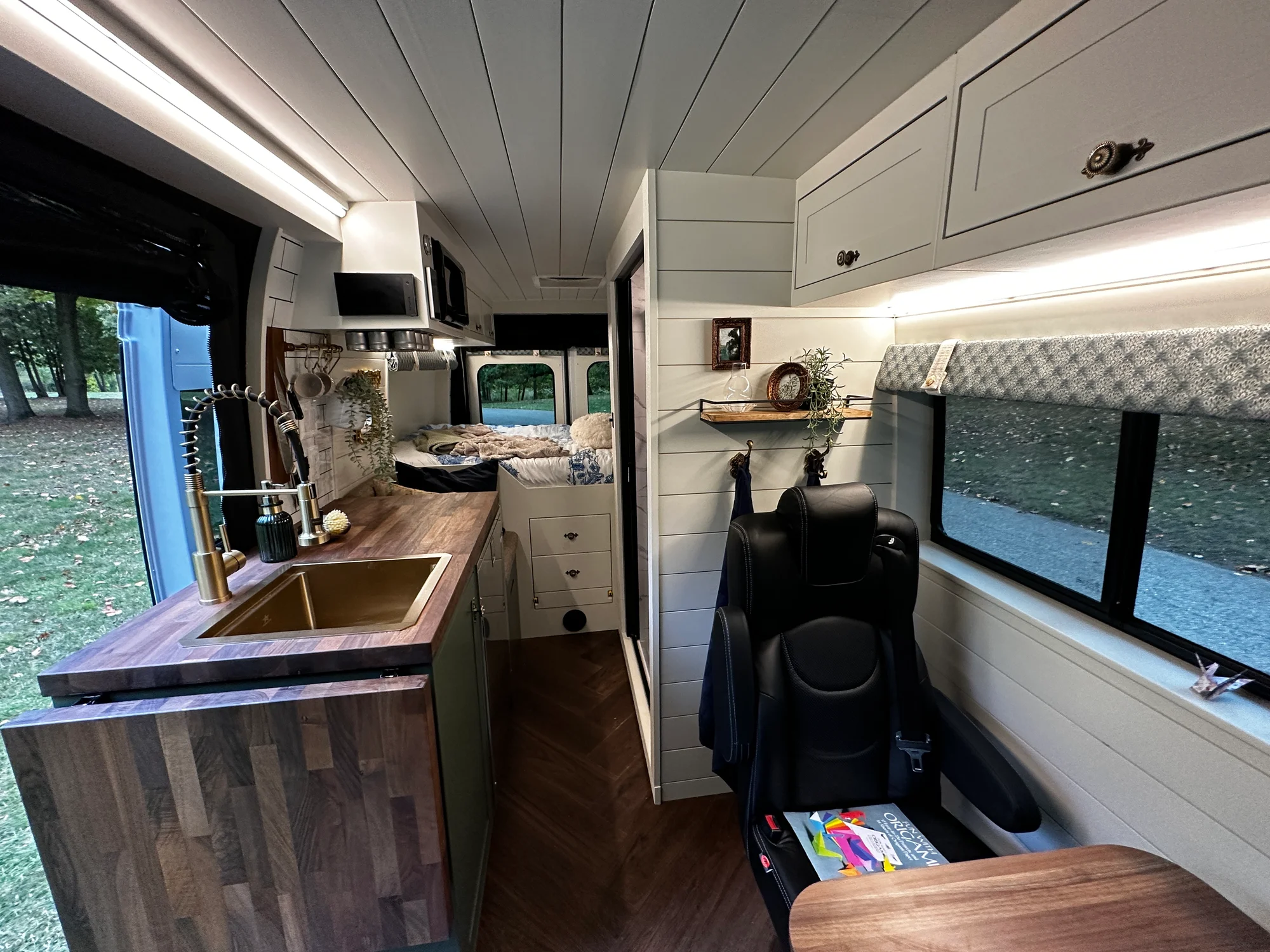
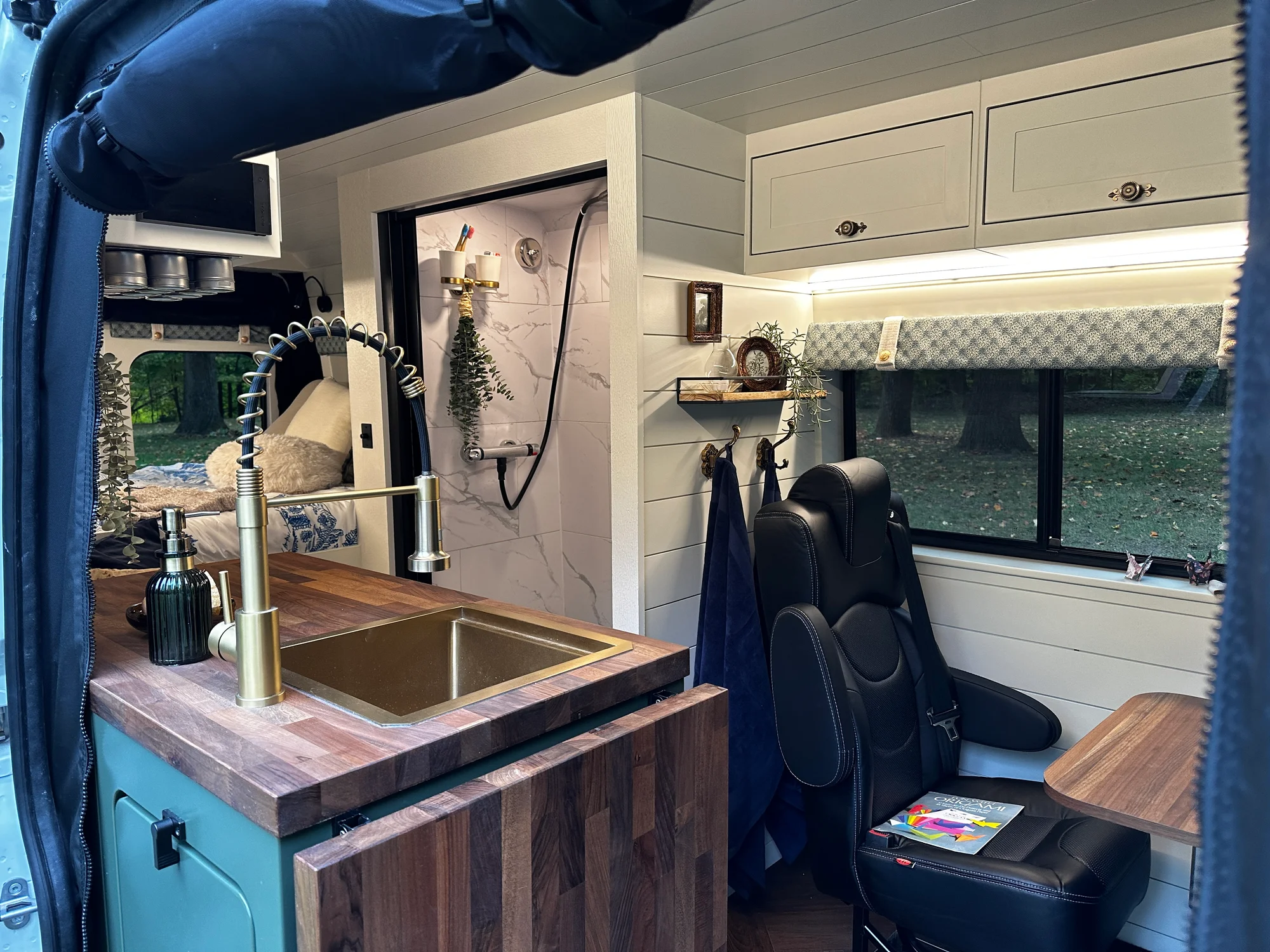
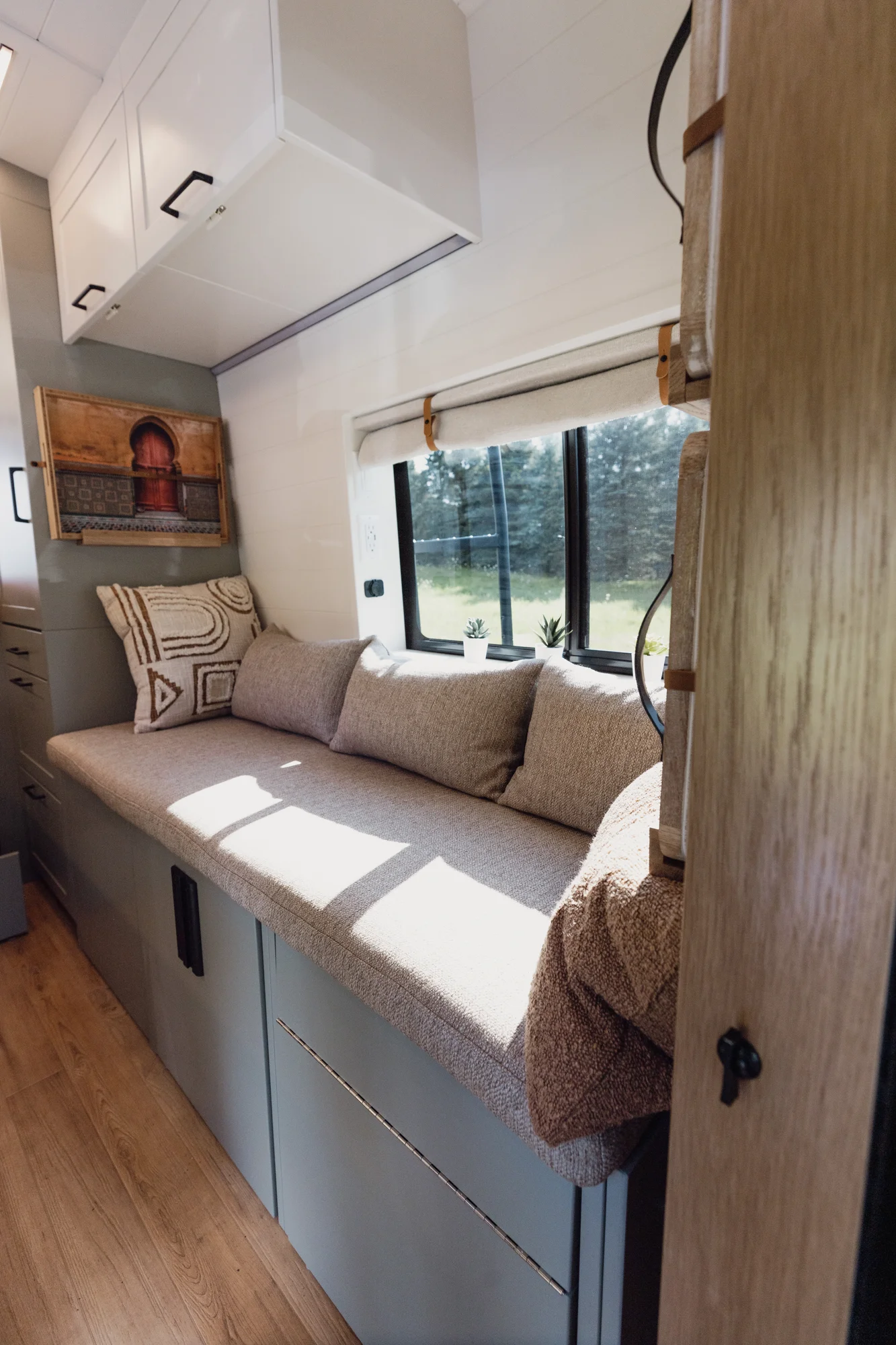
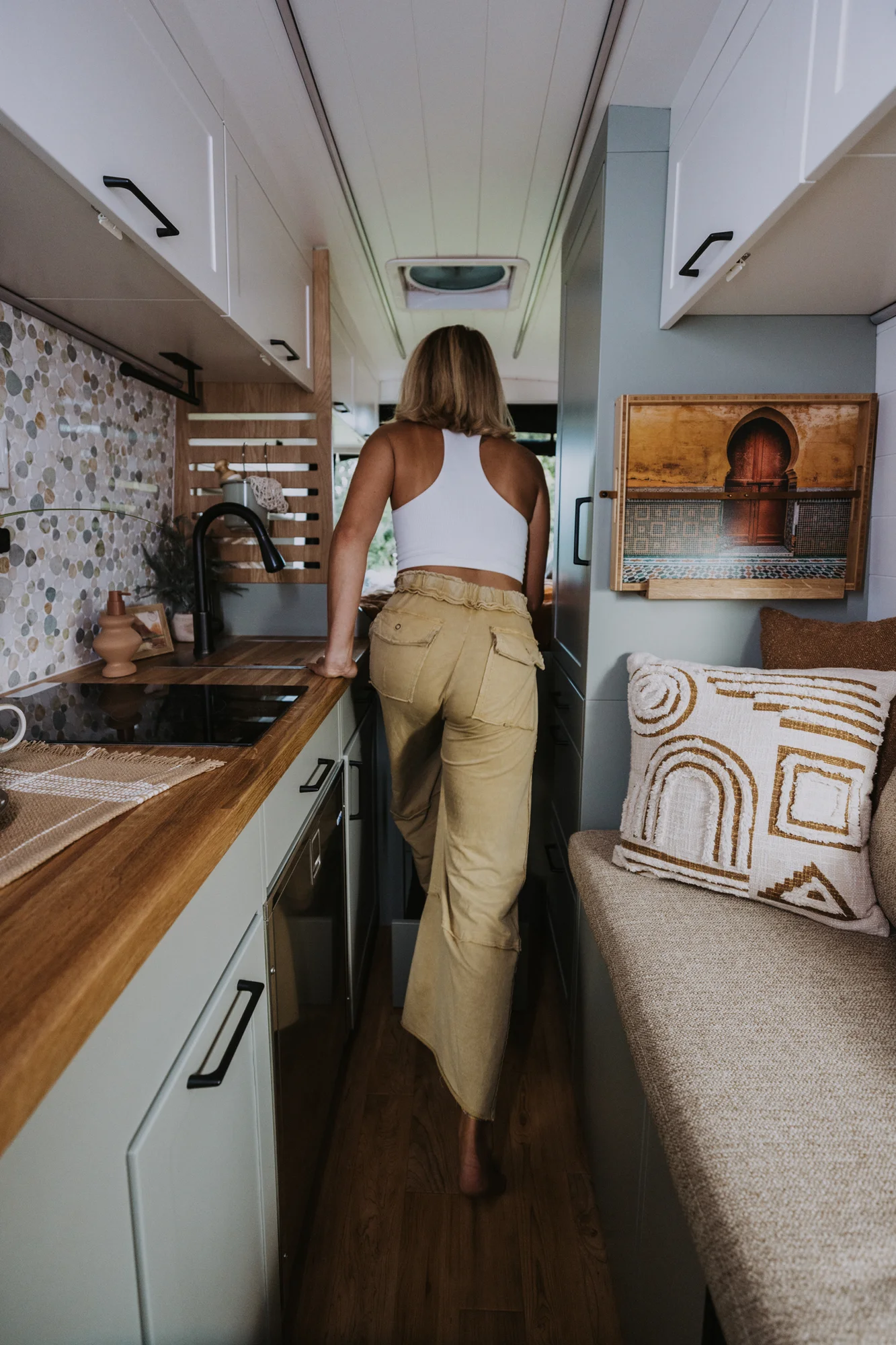
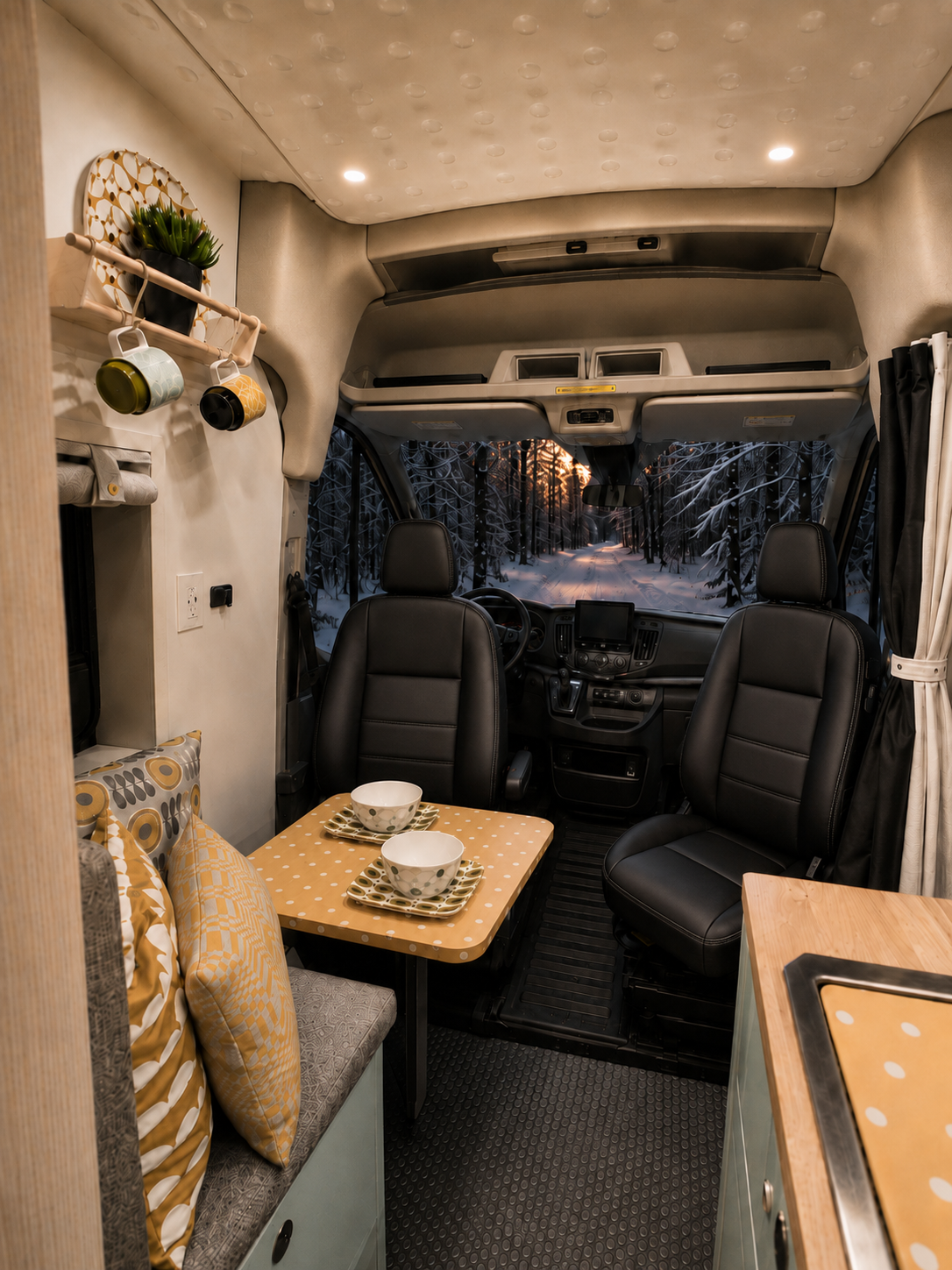
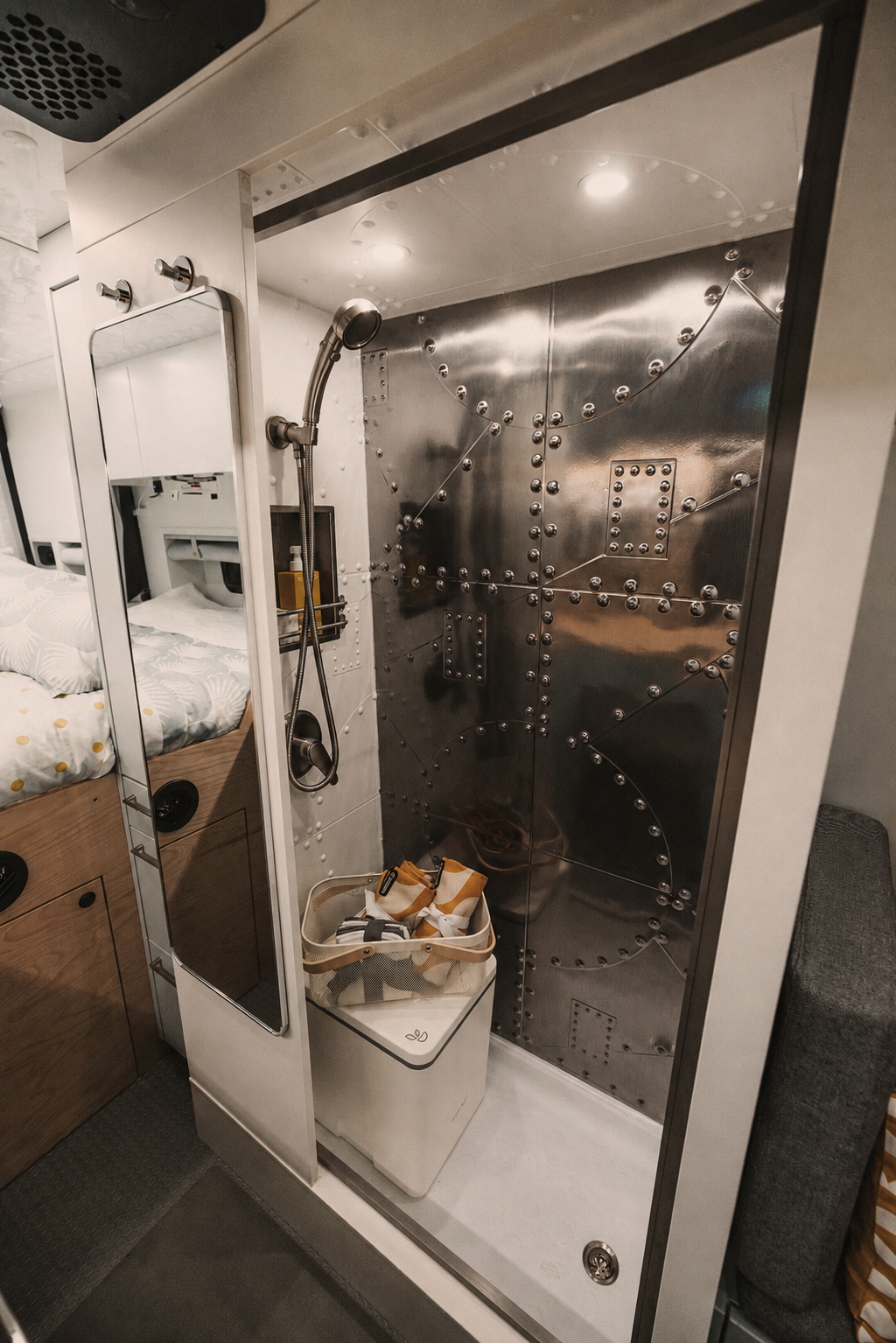
Someone decides to sell their house to live in a van and step into a new kind of freedom — a custom-built campervan designed to take them wherever they want to go. It’s bold. It’s exciting. It’s life-changing.
But there’s always that awkward middle part — the “where do I live while my van is being built?” phase. It’s a common challenge in the house to vanlife transition.
If you’re like some of our clients at Drifter Vans, the sale of your home is what funds your van. That means the timing of your home sale and your van build rarely line up perfectly. You might close on your house and still have three to six months before your van is complete.
And during that time… you need a plan.Here’s how to sell your house and live in a van — and navigate the space between homes financially, practically, and smartly — so you can make the leap without the stress.
👉 Want a deeper breakdown? Read the full transition guide for a more detailed look at timelines, housing options, payment strategy, and real client examples.
How are Payment Schedule Works with Drifter Vans
Deposit to Reserve a Build Date- To reserve your build spot we accept a $5,000 deposit. Due to reserve your build spot.
50% deposit- The 50% deposit is do 2 months before the build starts
25% deposit- Due half way through the build
25% Deposit- Due upon completion of your van
Transition Housing While You Wait
1. Negotiate a Rent-Back Agreement
If you’re wondering how to selling your house to live in a van in a strong market, ask your realtor about a rent-back agreement — which lets you stay in your house for 30–90 days after closing. This gives you access to your funds for the van deposit while keeping a roof over your head.
Ideal for sellers with flexible buyers or quick closings.
2. Stay With Family or Friends (Temporarily)
Some of our clients stay with adult children, siblings, or lifelong friends during the wait. It’s not forever — just long enough to get you from “house sold” to “van delivered.”
This is one of the most common forms of short-term housing between homes, and it can make a big difference during your house to vanlife transition.
Most Drifter builds take 3–4 months once the build begins.
3. Explore a HELOC or Bridge Loan Before You Sell
Before listing your home, talk to your lender about a Home Equity Line of Credit (HELOC) or a bridge loan for van conversion.
These allow you to use your home’s equity for your van build before the sale is finalized — and repay it as soon as your home closes.
⚠️ Important: Apply before listing your home. Most lenders won’t approve a HELOC once a home is under contract.
4. Rent a Short-Term Space
If staying with family isn’t an option, consider flexible housing options:
- Hipcamp: Camp legally on private land — affordable and scenic.
- Airbnb: Short-term rentals and cabins.
- Extended-Stay Hotels: Month-to-month furnished options.
- Harvest Hosts: Stay at wineries, farms, and breweries if you already have a temporary van setup.
These are all good options for short-term housing between homes — and quiet, too. Sometimes that’s exactly what you need.(Tip: Request backlinks by sharing this article with these platforms.)
5. Finance Your Van and Pay It Off Once the House Sells
We work with reputable partners that offer RV financing for vanlife, including 20–30% down options. This lets you start your build early — before your home sale is finalized — and pay off the remainder once your house closes.
No early payoff penalty. Just flexibility.If you’re curious about monthly payments and terms, visit our Financing Guide.
6. Sell First, Then Join the Build Queue
If financial clarity is your top priority, you can wait until your house sells, then place your deposit and start your build schedule. You’ll typically wait 2–3 months for your build slot to open, then another 2–3 months for completion.
It’s the safest route — but it means more time spent living in a van after selling your home or in temporary housing.
Internal Resources to Support You
- Our Custom Van Build Process: Understand our step-by-step build timeline.
- Van Financing Options: Learn about RV financing for vanlife, down payments, and estimated monthly costs.
Selling Your House to Live in a Van: What to Know Before You Start
If you’re figuring out how to sell your house and live in a van, timing is everything — financially and emotionally.
At Drifter Vans, our custom builds are typically booked 9–12 months in advance, and we only build a limited number of vans each year to ensure every one gets the craftsmanship and attention it deserves.
If you’re serious about making the leap, don’t wait for the “perfect time.” Start the conversation now — we’ll guide you through the house to vanlife transition and the in-between.
Buying the Van Is Only Part of the Journey

If you’re figuring out how to sell your house and live in a van, timing is everything — financially and emotionally.
At Drifter Vans, our custom builds are typically booked 9–12 months in advance, and we only build a limited number of vans each year to ensure every one gets the craftsmanship and attention it deserves.
If you’re serious about making the leap, don’t wait for the “perfect time.” Start the conversation now — we’ll guide you through the house to vanlife transition and the in-between.
Let’s Get You Moving in the Right Direction
Kick tires. Ask questions. Drift awhile.
🎥 Explore Our YouTube Channel
Watch van tours, build reveals, and behind-the-scenes footage straight from our shop.
👥 Join Our The Drift Facebook Group
The Drift Facebook group is a community where you can ask questions directly to the builders and designers at Drifter Vans, gaining insights and advice about campervan builds and design.
📜 Checkout The Drift — Vanlife Blog
Created by builders. Filled with vanlife tips, design inspiration, product reviews, and real client stories from the road.
🖼️ Check Out The Clients Gallery
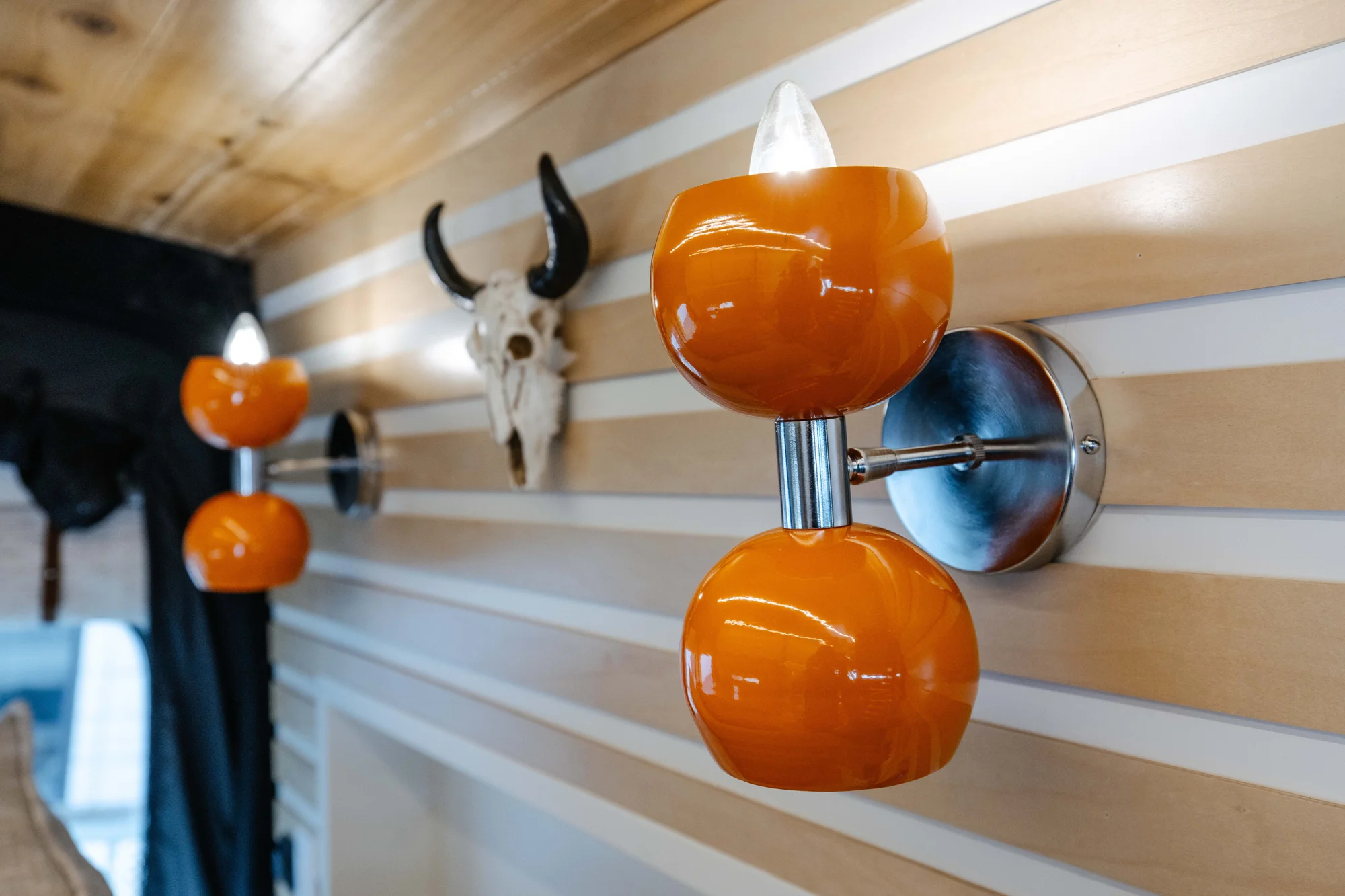
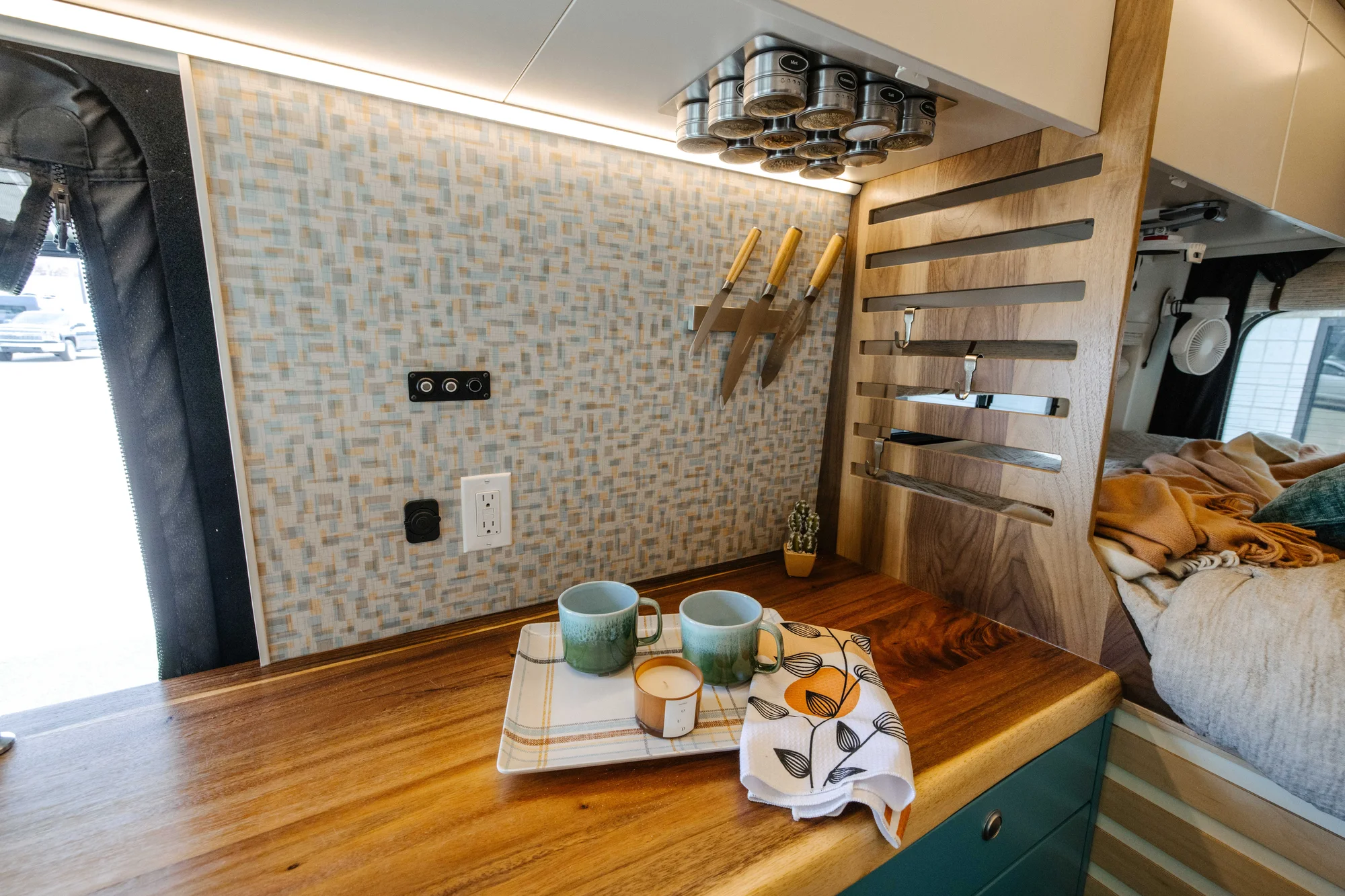
Browse layout inspiration, interior finishes, and the creative details that make each Drifter Van unique.
Contact Drifter Vans Today
If you’re ready to start exploring, click below. There’s no pressure—just a starting point. This isn’t a commitment. It’s a door opening.
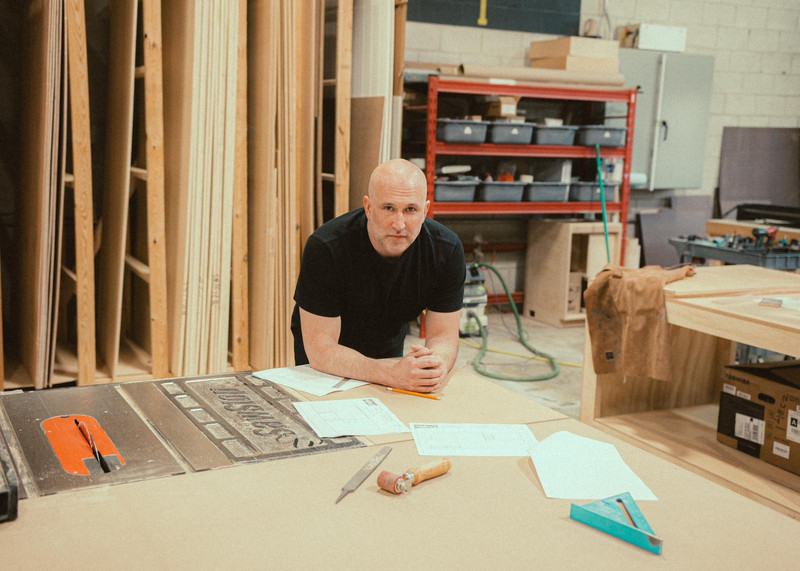
Not prefab.
Not mass-made.
Just soul and wheels—built to drive your dreams.
The Owners Club.


Schedule
a call
15 Minute Discovery Call
Begin with a 15-minute discovery call: how you'll use the van, platform, investment range, and whether the project fits the 2027 Andara Collection. If it fits, the next step is a one-hour proposal call, and Drifter prepares a full proposal.